




Why Card Capacity Matters More Than It Seems
Card capacity is not just a matter of convenience. It directly affects how a wallet feels, how it ages, and how long it lasts.
Every additional card adds:
- Thickness
- Pressure on stitching
- Stress on fold lines
- Tension in card slots
- Friction during insertion and removal
These forces accumulate over time. A wallet designed to hold fewer cards but regularly overfilled will degrade faster than one used within its intended capacity. Understanding this relationship is essential to choosing a wallet that remains comfortable and functional for years.
How Wallets Were Traditionally Designed
For decades, men’s wallets were designed around cash. Bills were folded lengthwise, coins were sometimes carried, and cards were fewer in number. Early card slots were an addition, not the main focus.
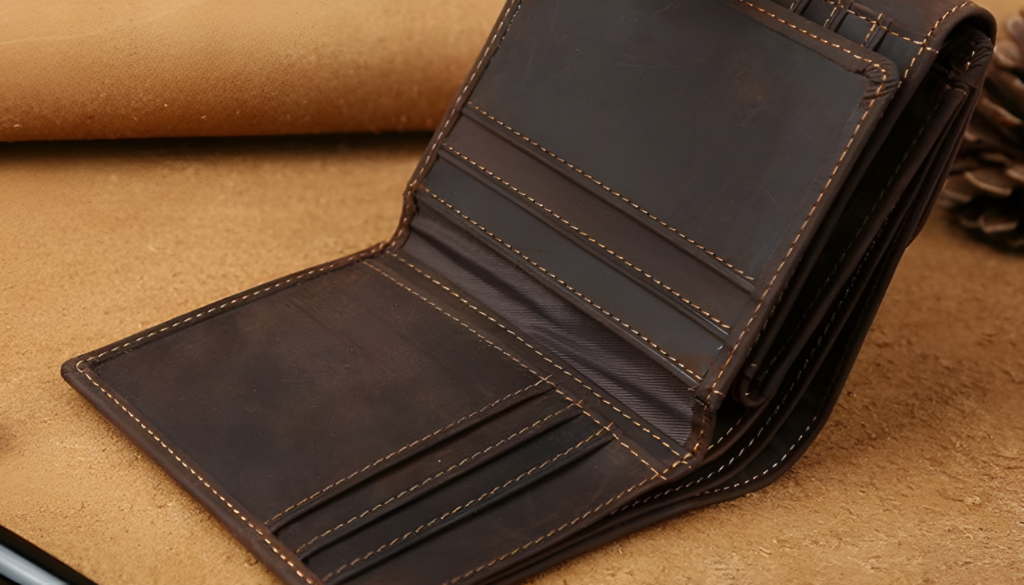
Traditional bifold wallets often included:
- 6–8 card slots
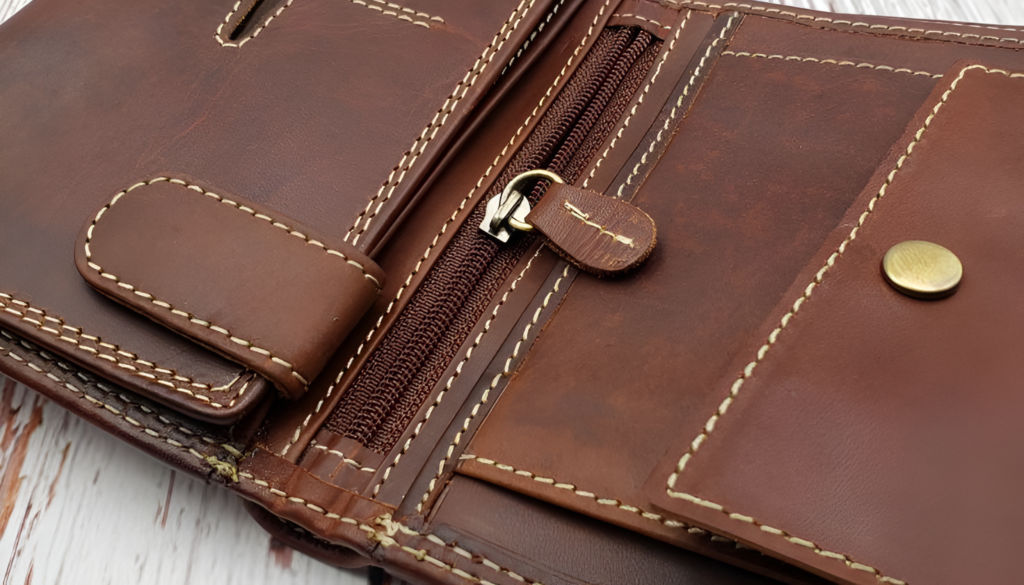
- Multiple hidden pockets
- A large bill compartment
- Thick leather panels
These wallets assumed:
- Cash was used daily
- Cards were secondary
- Pocket bulk was acceptable
As card usage increased, wallets became thicker, not slimmer. The result was overbuilt designs that prioritised capacity over comfort.
How Men’s Wallet Use Has Changed
Modern wallet use is fundamentally different.
Most men today:
- Use cards or digital payments far more than cash
- Carry fewer physical items
- Expect front-pocket or slim carry
- Sit for long hours with a wallet in their pocket
- Value comfort and minimalism
This shift has exposed a mismatch between old wallet designs and modern use. Carrying 12–15 cards is no longer typical for daily life, yet many wallets are still designed to accommodate that volume.
Understanding how use has changed is the first step in answering how many cards a wallet should hold today.
What Counts as a “Card” in Modern Wallets
Before discussing numbers, it helps to define what we mean by cards.
Most men carry a mix of:
- Debit cards
- Credit cards
- ID cards
- Access cards (work, gym, building)
- Transport cards
- Occasional loyalty cards
However, not all of these are used daily. Some are rarely removed from the wallet at all.
A well-designed wallet should prioritise active cards, not total cards owned.
The Difference Between Carrying and Using Cards
One of the biggest mistakes in wallet design is assuming that all carried cards need equal access.
In reality:
- 2–4 cards are used frequently
- 1–2 cards are used occasionally
- The remaining cards are backups
Designing a wallet around maximum storage rather than daily access leads to inefficiency and bulk.
The best wallets are designed around usage hierarchy, not storage potential.
Slim Wallet Capacity: What Works in Practice
Slim wallets are often marketed with exaggerated claims, but real-world use tends to settle around a predictable range.
The Most Common Slim Wallet Capacity
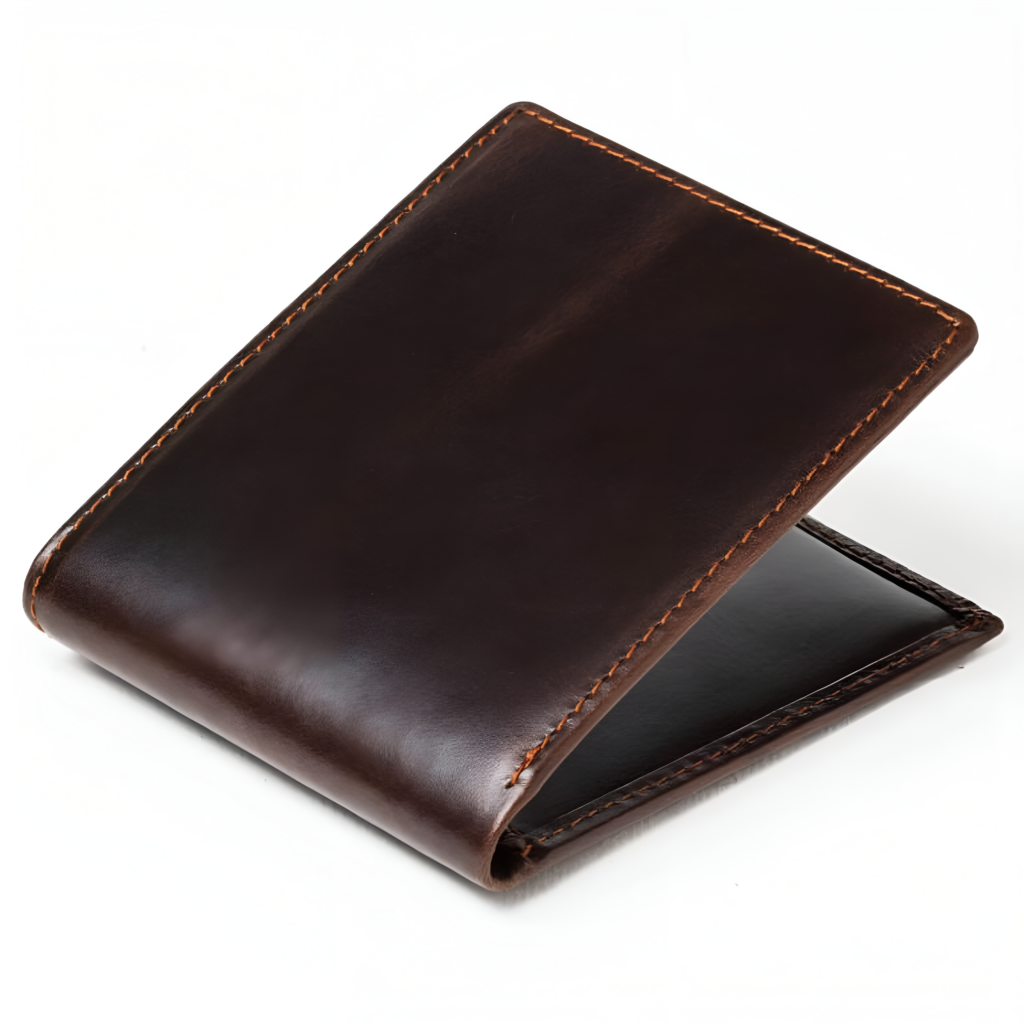
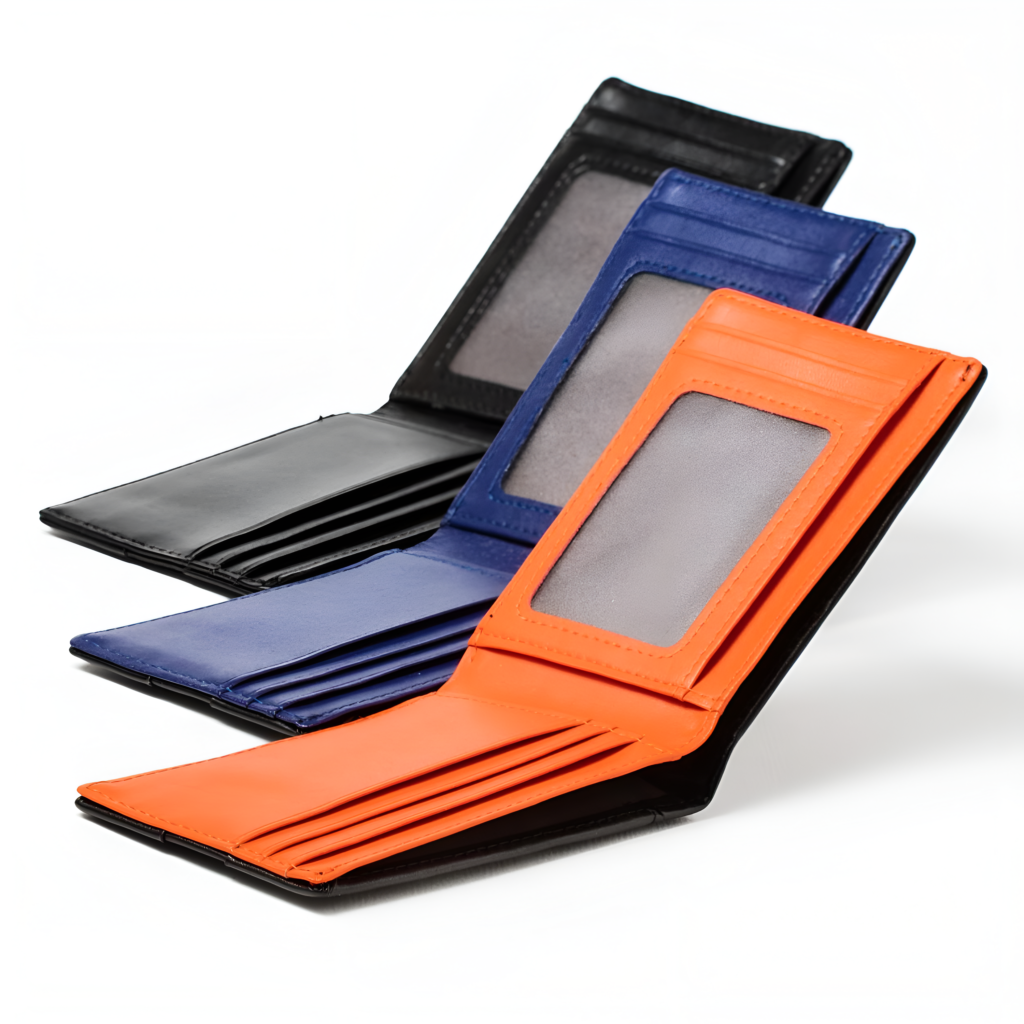
For most men, a slim wallet works best when designed to hold:
- 4 to 6 cards comfortably
- Possibly 1–2 additional cards with a tighter fit
This range allows:
- Easy access
- Minimal bulk
- Controlled leather stretching
- Comfortable pocket carry
Beyond this point, the wallet begins to lose the benefits that make it slim in the first place.
Minimalist Wallet Card Limit: Why Less Is Often Better
Minimalist wallets are intentionally restrictive. This is not a flaw; it is a design choice.
A typical minimalist wallet is designed for:
- 3 to 5 cards
- Possibly folded cash or a single note clip
The purpose of a minimalist wallet is not to carry everything you own. It is to force prioritisation.
This design philosophy offers several benefits:
- Reduced pocket strain
- Improved posture and comfort
- Less leather stress
- Cleaner ageing
- Faster access to essential cards
For men who value simplicity, the minimalist wallet card limit often aligns naturally with daily needs.
What Happens When a Wallet Holds Too Many Cards
When a wallet consistently carries more cards than it was designed to hold, the effects go far beyond simple bulk. Over time, overloading changes how the wallet wears, how comfortable it is to use, and how long it remains functional.
The first issue is structural strain. Wallets are built with specific tolerances in mind. Card slots, stitching, fold lines, and leather thickness are all designed around an expected capacity.
When too many cards are forced into those slots, constant outward pressure stretches the leather fibres. Unlike gradual break-in, this kind of stretching is uneven and permanent. Card slots lose their grip, edges flare outward, and the wallet no longer returns to its original shape.
Fold lines are especially vulnerable. A wallet overloaded with cards no longer folds cleanly. Instead of bending along a natural crease, the leather is forced to bend around a rigid block of cards.
This concentrates stress at the fold, increasing the likelihood of sharp creasing, stiffness, or, in lower-quality leather, cracking over time.
Comfort is the next casualty. A wallet that holds too many cards becomes noticeably thicker and less flexible. In a pocket, this bulk creates pressure points when sitting or moving.
Over time, this discomfort often leads people to adjust how they carry the wallet, which further increases uneven wear. What starts as a capacity issue quickly becomes a daily usability problem.
Overloading also accelerates visible wear. Cards rubbing tightly against each other and against the leather create friction in confined spaces. This can polish some areas excessively while abrading others, leading to uneven ageing.
In wallets made from lower-grade or heavily finished leather, this friction can cause surface coatings to wear through prematurely.
Finally, excess capacity undermines the organisation. When a wallet holds too many cards, accessing any single card becomes more difficult.
Cards bend, edges fray, and removal requires unnecessary force, which adds even more stress to the slots and stitching. Instead of convenience, the wallet becomes something that must be managed carefully to avoid damage.
In practical terms, a wallet designed to hold fewer cards often lasts longer, ages more evenly, and remains more comfortable to carry. Carrying too many cards doesn’t just make a wallet bulky; it actively works against the materials and construction that are meant to support everyday use.
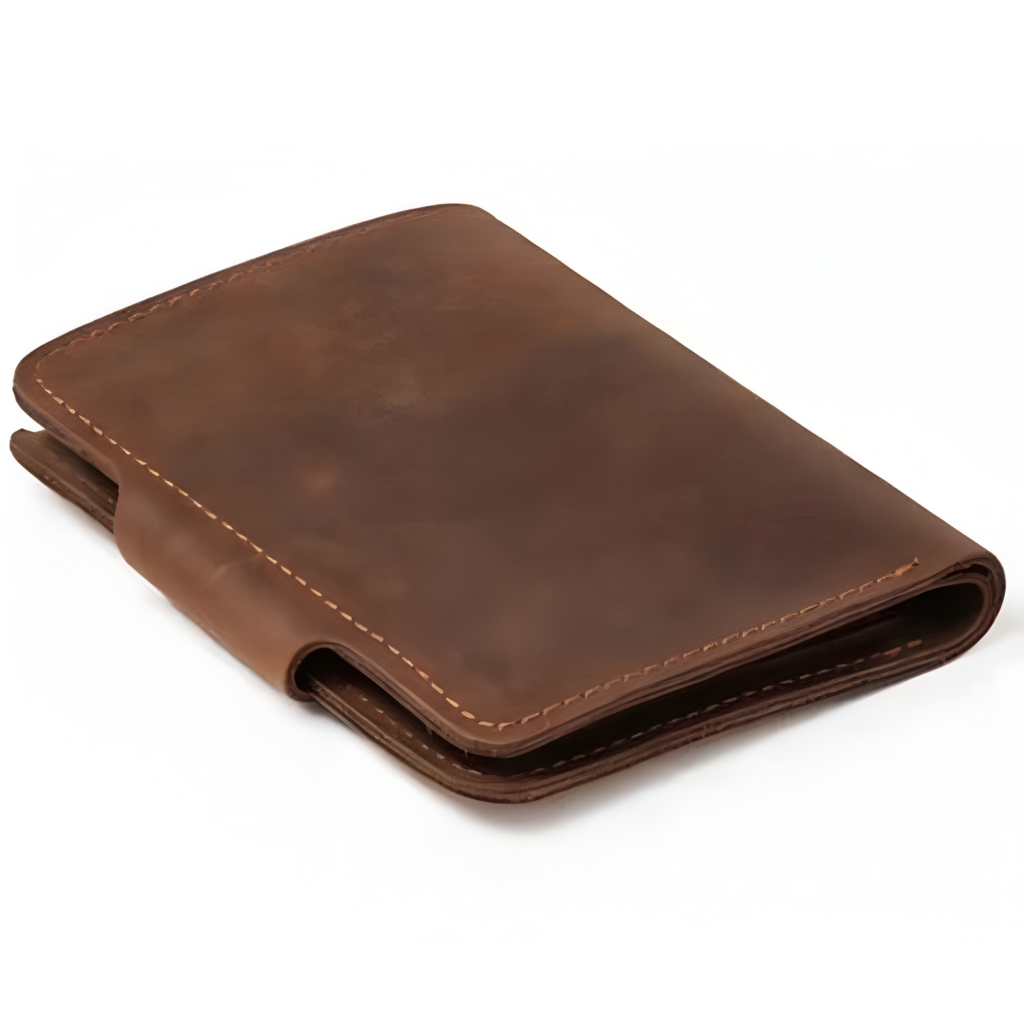
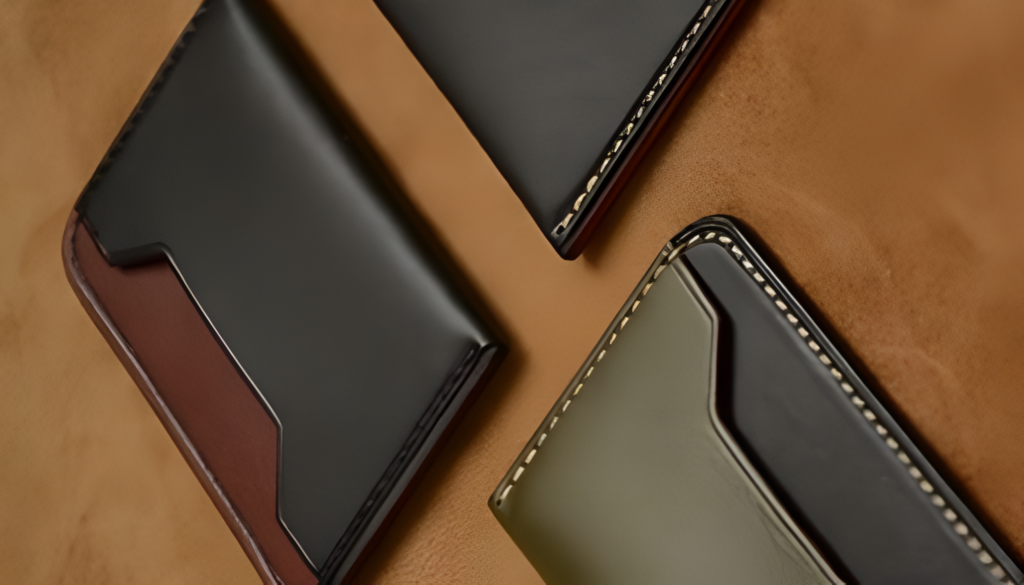
Comfort is often overlooked until it becomes a problem.
A wallet that holds too many cards:
- Creates uneven pressure when sitting
- Causes pocket bulging
- Can contribute to lower back discomfort
- Feels awkward during movement
Reducing card count often improves comfort immediately, even without changing the wallet itself.
How Leather Type Affects Card Capacity
Not all leathers handle card pressure equally.
Full-Grain Leather
Full-grain leather can handle moderate card loads well, but it still stretches over time. When overloaded, even full-grain leather will deform.
Oil-Treated Leather
Oil-treated leather is more forgiving. It flexes and adapts under pressure, which can make it more comfortable when carrying a few extra cards. However, it can still stretch permanently if overloaded.
Vegetable-Tanned Leather
Vegetable-tanned leather is firm and structured, which can initially hold cards tightly. However, once it stretches, it often stretches unevenly, leading to distorted slots.
Leather quality does not eliminate the need for reasonable capacity limits.
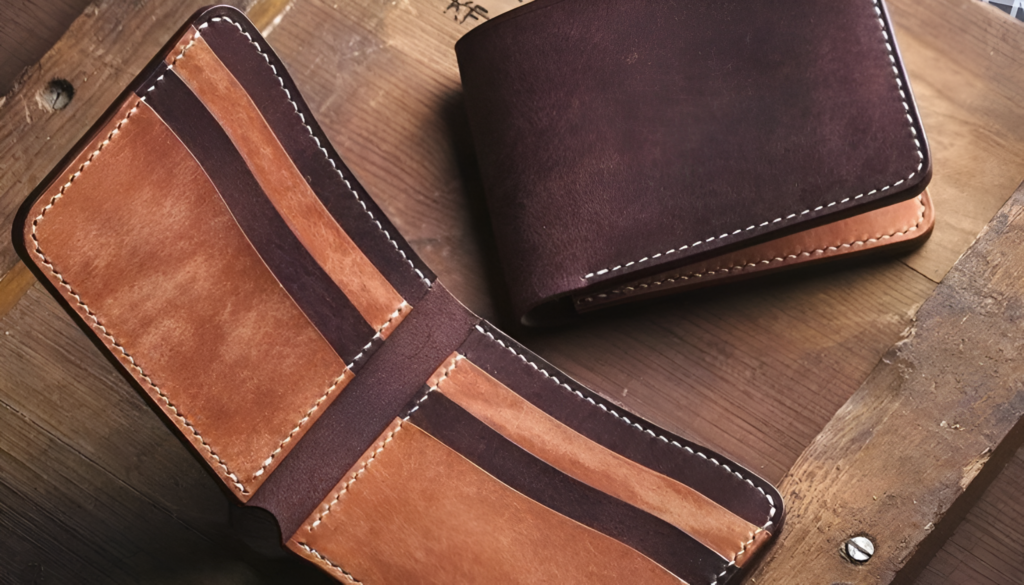
Card Slots vs Stack Capacity
Some wallets rely on individual card slots. Others rely on stacked compartments.
Each approach has trade-offs.
Individual Card Slots
- Better organisation
- Less card friction
- More predictable stretching
- Increased thickness per slot
Stack Compartments
- Greater flexibility
- Fewer seams
- Faster access
- Higher risk of overloading
Wallets designed for stacking often rely on the user’s restraint to prevent overfilling.
Why “Maximum Capacity” Claims Are Misleading
Many wallets advertise maximum capacities that exceed practical use.
A wallet claiming to hold 10–12 cards may technically do so, but:
- Cards may be difficult to remove
- Leather may be under constant stress
- Comfort is compromised
A better metric is comfortable capacity, not absolute capacity.
The Ideal Card Count for Different Wallet Types
Minimalist Wallets
- Ideal: 3–5 cards
- Absolute maximum: 6 cards
Slim Bifold Wallets
- Ideal: 5–7 cards
- Absolute maximum: 8 cards
Traditional Bifold Wallets
- Ideal: 6–8 cards
- Absolute maximum: 10 cards (with increased bulk)
Travel or Secondary Wallets
- Higher capacity acceptable
- Less emphasis on comfort and longevity
How Card Capacity Affects Wallet Ageing
Wallets that are used within their intended capacity:
- Develop an even patina
- Maintain shape
- Retain slot tension
- Age predictably
Overloaded wallets:
- Stretch prematurely
- Age unevenly
- Lose structure
- Require replacement sooner
Ageing quality is directly linked to how responsibly capacity is used.
The Psychology of Carrying Too Many Cards
Many men carry cards “just in case.” Over time, this habit becomes invisible.
Periodic audits often reveal:
- Expired cards
- Duplicate cards
- Rarely used memberships
- Cards that could be digitised
Reducing card count often has no negative impact on daily life.
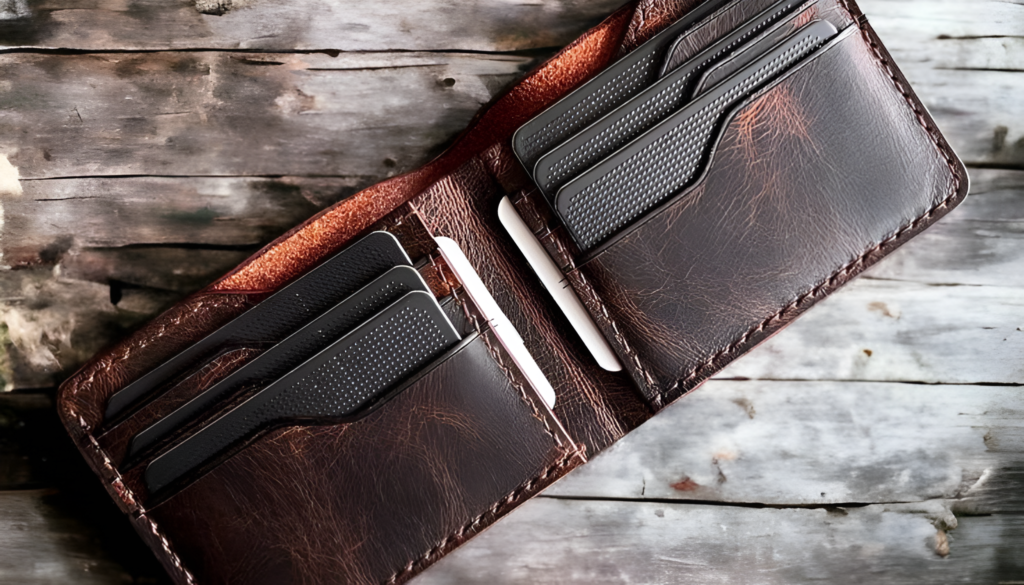
Digital Wallets and Their Impact on Physical Capacity
As digital wallets become more common, the need for physical cards continues to decrease.
Many men now:
- Carry a primary payment card
- Carry ID
- Rely on phones for everything else
This trend supports lower physical wallet capacity, not higher.
Designing Wallets Around Reality, Not Anxiety
The best wallet designs acknowledge how people actually live, not how they fear being unprepared.
Designing for excess:
- Encourages clutter
- Reduces comfort
- Shortens lifespan
Designing for intention:
- Improves daily experience
- Supports better ageing
- Aligns with modern use
How to Decide Your Ideal Card Count
Ask yourself:
- Which cards do I use weekly?
- Which cards could be digitised?
- Which cards have I not used in six months?
- Do I carry this wallet daily or occasionally?
Most people find their ideal number is lower than expected.
Common Mistakes When Choosing Wallet Capacity
Choosing how many cards a wallet should hold seems straightforward, but most capacity-related mistakes come from focusing on short-term convenience rather than long-term use. These misjudgements often result in wallets that feel bulky, wear out faster, or become uncomfortable to carry.
Assuming “More Capacity” Equals Better Value
One of the most common mistakes is assuming that a wallet designed to hold many cards is automatically more practical. In reality, excess capacity often encourages overloading. When a wallet has too many card slots, it becomes easy to carry cards that are rarely used, increasing thickness and stress without adding meaningful convenience.
Over time, this extra bulk changes how the wallet sits in the pocket, increases pressure on stitching and fold lines, and accelerates wear. A wallet that technically holds many cards may end up performing worse in everyday use than one designed with restraint.
Choosing Capacity Based on Occasional Use
Another mistake is choosing wallet capacity based on rare scenarios rather than daily habits. Many people think about the maximum number of cards they might carry: travel cards, loyalty cards, backup IDs, instead of the cards they use regularly.
Designing around occasional needs results in a wallet that is oversized for everyday carry. In practice, this means carrying unnecessary bulk every day for situations that occur only occasionally.
Ignoring How Cards Change Leather Over Time
Card capacity is not just about space; it directly affects how leather behaves. When too many cards are inserted, the leather stretches beyond its intended tolerance. Once stretched, it does not fully recover, even when the cards are removed.
This leads to loose card slots, loss of structure, and a wallet that feels worn prematurely. Choosing a wallet that matches realistic card usage helps preserve shape and longevity.
Overlooking Pocket Comfort
Many people assess wallet capacity without considering how it feels in the pocket over long periods. A wallet filled close to its maximum capacity may seem acceptable when briefly handled, but uncomfortable during extended carry.
Excess cards create pressure points when sitting or moving, especially in back pockets. Over time, this discomfort often leads to carrying the wallet less consistently or switching wallets altogether.
Confusing Card Slot Count With Practical Capacity
Not all card slots are equal. Some wallets list a high number of slots but rely on tight stacking or overlapping designs that become impractical when fully loaded. Others include hidden or internal slots that are awkward to access daily.
Judging capacity purely by slot count without considering accessibility, spacing, and leather flexibility leads to unrealistic expectations.
Underestimating the Value of Discipline
A final mistake is overlooking the behavioural aspect of wallet design. A wallet with limited, intentional capacity encourages better habits, carrying only essential cards and reviewing contents periodically. This not only improves comfort but also reduces wear.
Wallets designed to hold “everything” rarely age well, because they are constantly pushed beyond their optimal working range.
Conclusion
The question of how many cards a wallet should be designed to hold is ultimately about intention. Wallets perform best when they are used as designed, not as storage containers for every possible scenario.
For modern everyday use, fewer cards lead to better comfort, better ageing, and longer-lasting leather. Most men find that a wallet designed for 4 to 7 cards meets their real needs far better than one designed for excess.
Choosing the right capacity is not about limitation. It’s about alignment between how a wallet is designed and how it is actually used every single day.