


What “Minimalist Wallet” Actually Means
Before evaluating whether minimalist wallets make life easier, it’s important to define what they are and what they aren’t.
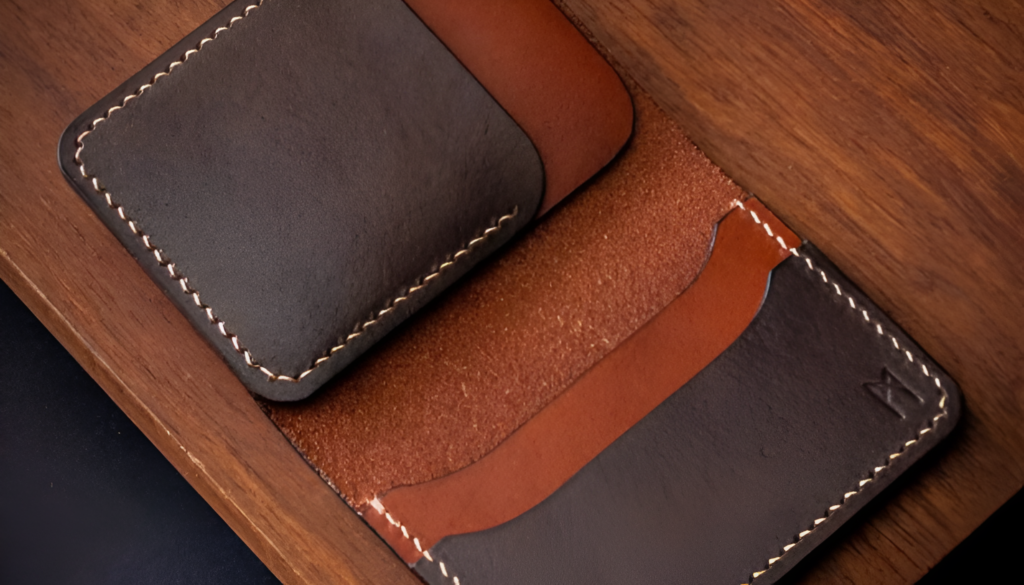
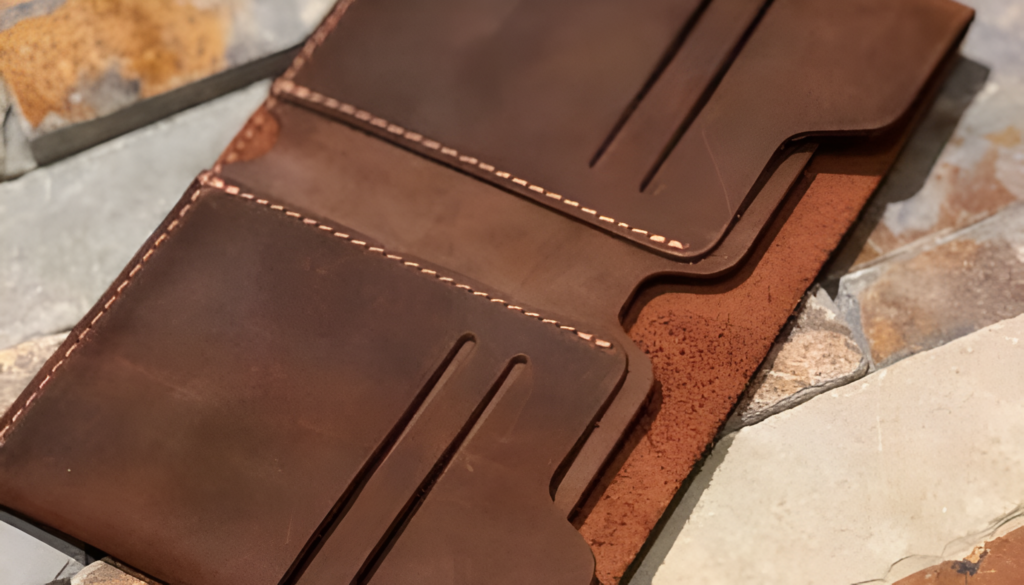
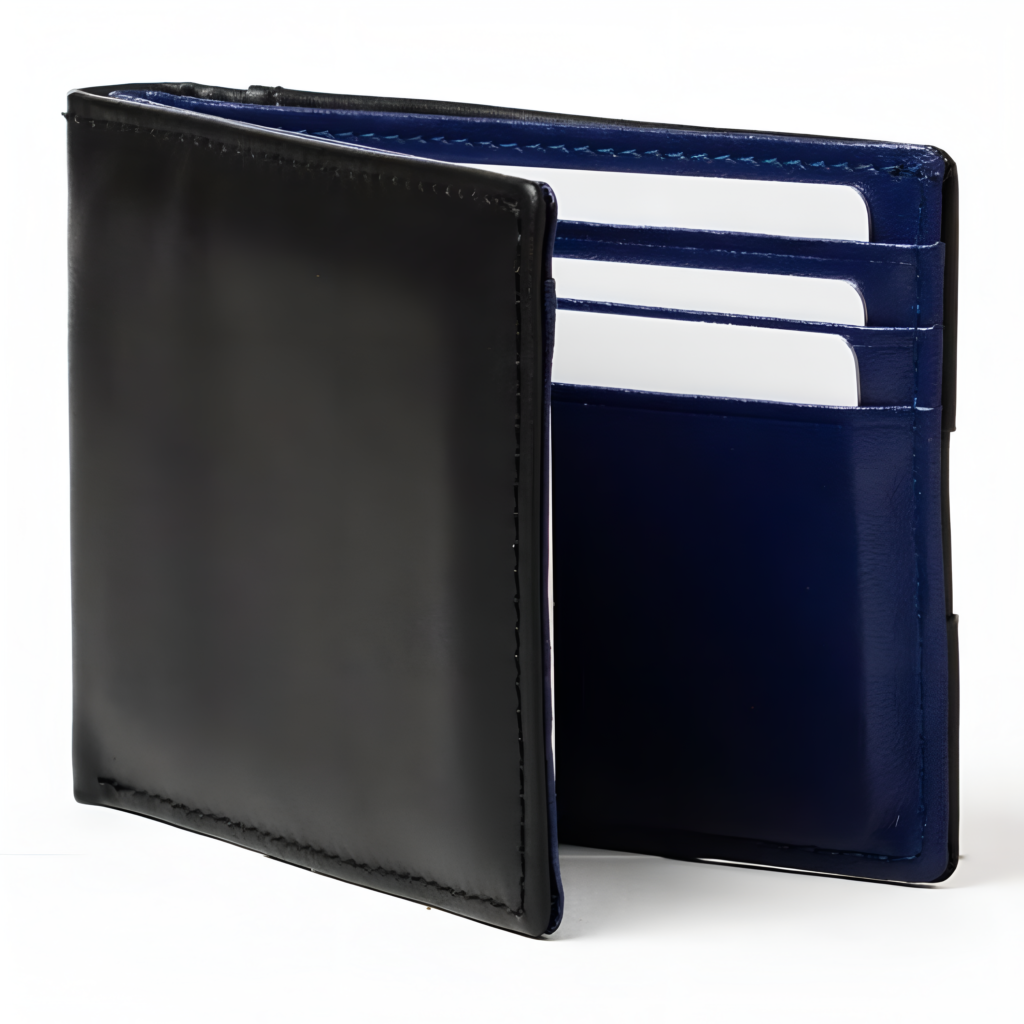
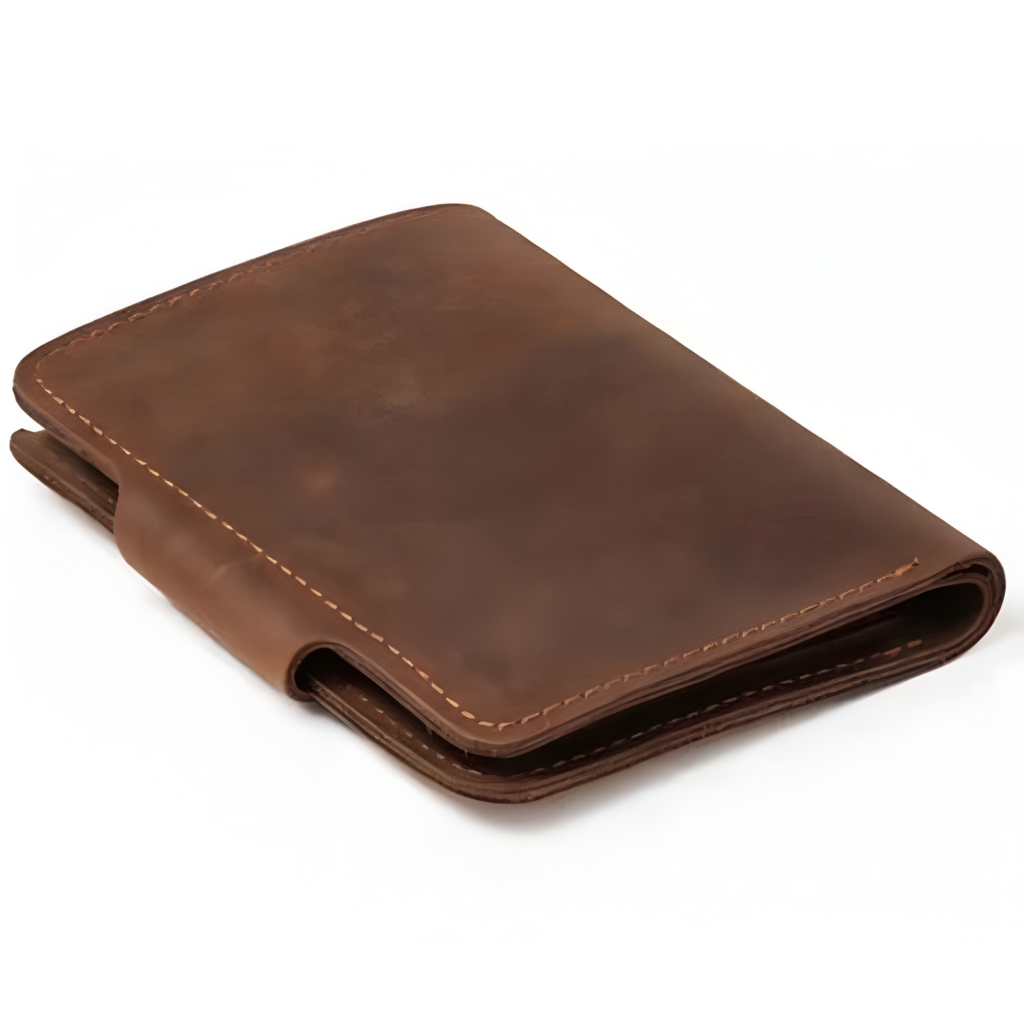
A minimalist wallet is not simply a smaller wallet. It is a wallet designed with intentional limitations. Capacity is constrained, structure is reduced, and excess features are deliberately removed.
Typical characteristics include:
- Limited card capacity (often 4–8 cards)
- Minimal or no cash compartment
- Slim profile with fewer layers of leather
- Reduced stitching and internal dividers
- Emphasis on front-pocket carry
The defining feature is not aesthetics, but constraint.
How Traditional Wallets Shape Behaviour
To understand why minimalist wallets feel easier for some people, it helps to examine how traditional wallets influence behaviour.
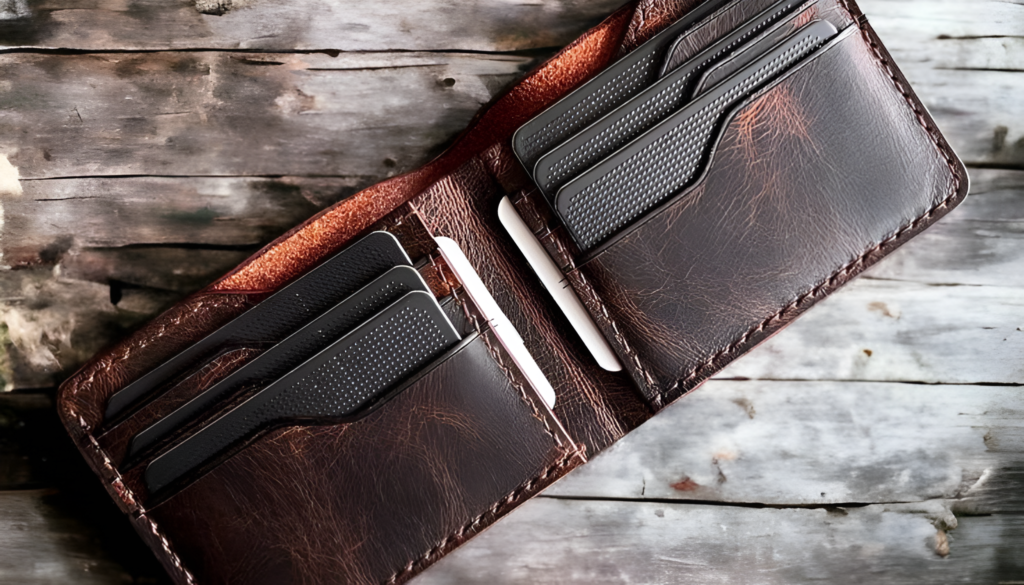
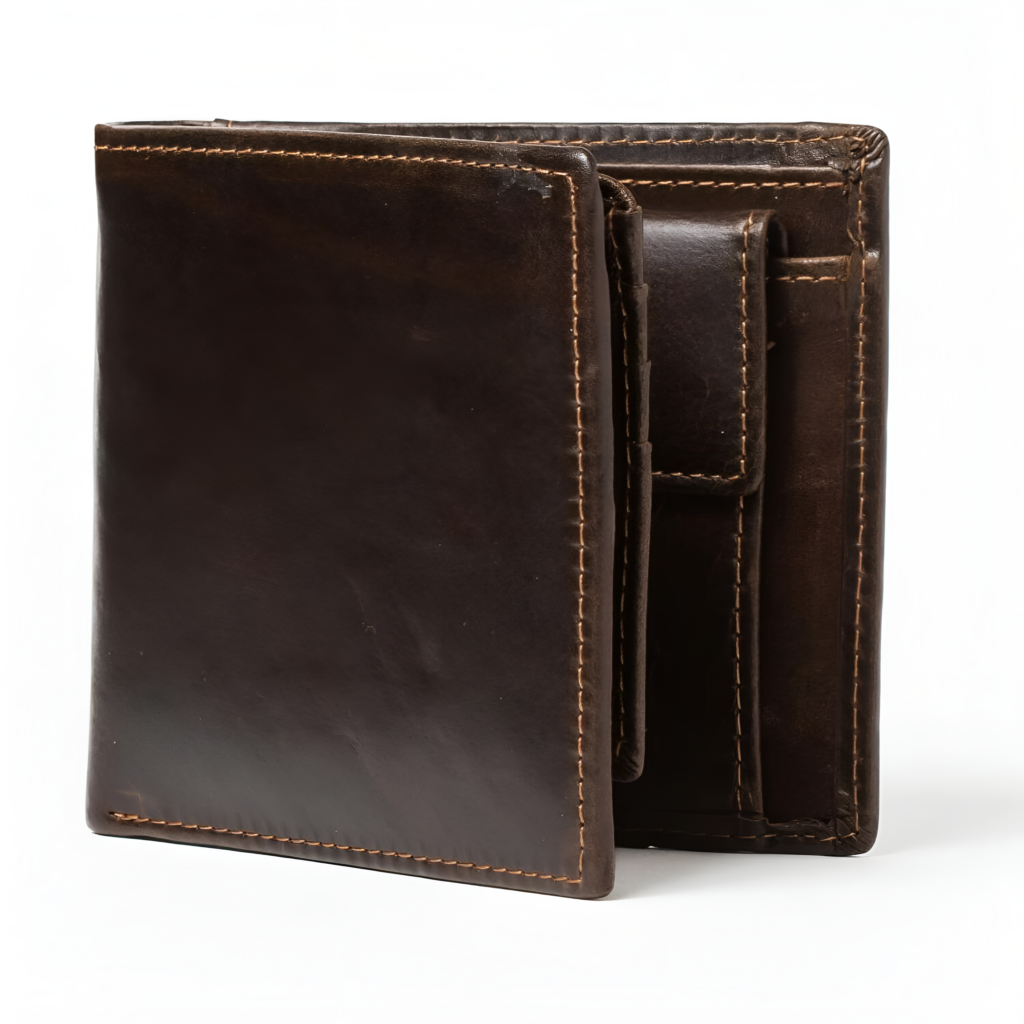
A traditional bifold or trifold wallet offers:
- Multiple card slots
- Separate cash compartments
- Receipt storage
- Space for rarely used items
Over time, this capacity invites accumulation. Cards you “might need,” loyalty cards you barely use, old receipts, spare notes, all find a home.
This doesn’t usually happen intentionally. It happens gradually, until the wallet becomes a portable archive rather than a daily tool.
The friction of traditional wallets often comes from:
- Bulk in pockets
- Difficulty finding frequently used cards
- Wallets that feel heavy or awkward when sitting
- Uncertainty about what’s actually inside
Minimalist wallets respond to this by enforcing limits.
The Core Promise of Minimalist Wallets
At its core, the promise of a minimalist wallet is not simply about owning fewer things, but about reducing friction in daily life. Minimalist wallets are designed around the idea that most people carry more than they need, and that excess in cards, bulk, and structure creates unnecessary inconvenience over time.
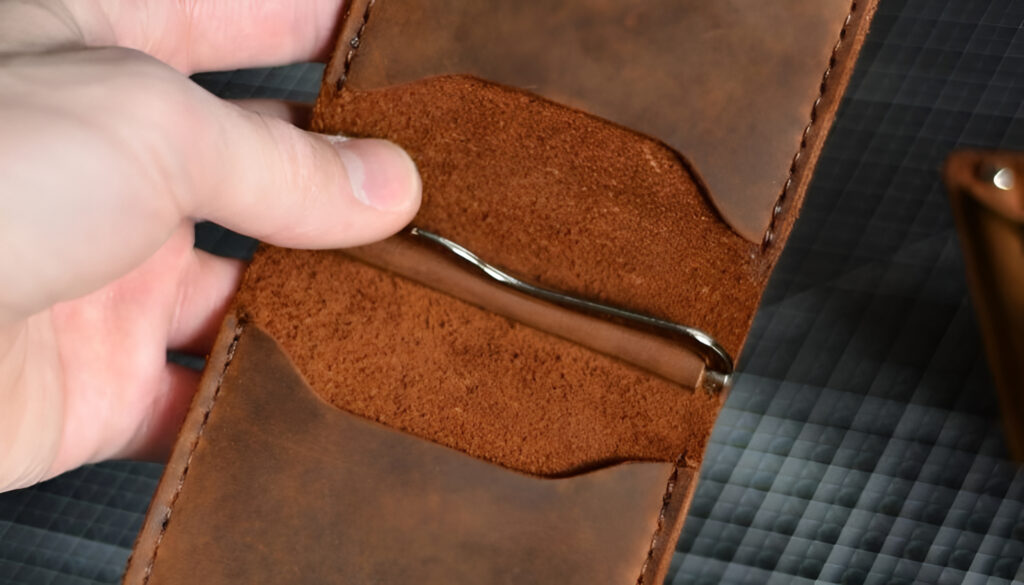
The first element of this promise is physical simplicity. By limiting capacity, minimalist wallets reduce thickness and weight, making them easier to carry comfortably throughout the day.
A slimmer profile sits more naturally in a pocket, creates less pressure when sitting, and is less noticeable during movement. This physical comfort is often the most immediate benefit users experience.
The second element is decision clarity. Minimalist wallets force intentional choices about what is carried. Instead of accommodating every card “just in case,” they encourage users to identify what is actually needed day to day.
Over time, this reduces the mental clutter associated with carrying unnecessary items and simplifies small, repeated interactions like paying, showing ID, or accessing transport cards.
Another key promise is efficiency of access. Minimalist designs prioritise quick retrieval of essentials rather than maximum storage.
Cards are easier to locate, cash (if carried at all) is simpler to manage, and the wallet becomes a tool rather than a container. This shift often results in smoother, faster everyday transactions.
Minimalist wallets also aim to reduce wear-related problems. Overloaded traditional wallets stretch, deform, and place constant stress on leather and stitching.
By design, minimalist wallets limit overfilling, which helps preserve structure and extends usable lifespan. In this sense, minimalism supports durability rather than compromising it.
However, the promise of minimalist wallets is not about restriction for its own sake. It is about aligning capacity with modern habits. As payments become more digital and card usage becomes more selective, carrying fewer physical items becomes practical rather than aspirational.
Ultimately, the core promise of minimalist wallets is this: less bulk, fewer distractions, and smoother daily use, achieved not by novelty, but by deliberate design that reflects how wallets are actually used today.
Minimalist Wallet Benefits: Where They Actually Help
1. Reduced Physical Bulk
The most immediate and undeniable benefit of a minimalist wallet is reduced bulk.
Slim wallets:
- Sit flatter in pockets
- Create less pressure when sitting
- Are easier to carry in front pockets
- Reduce fabric wear on trousers
For men who walk a lot, sit for long hours, or dislike feeling something pressing against them, this alone can feel life-changing.
2. Faster Access to Essentials
When a wallet holds only essential cards, access becomes more intuitive.
There is less searching, less flipping, and less re-ordering. Muscle memory develops quickly. You know exactly where each card sits because there are so few options.
This reduces small but frequent cognitive friction.
3. Reduced Visual and Mental Clutter
Minimalist wallets don’t just reduce physical clutter; they reduce mental load.
Seeing fewer cards and compartments reinforces the sense that everything you’re carrying has a purpose. This can subtly improve how organised daily tasks feel, even if the actual time saved is minimal.
4. Encourages Intentional Carrying Habits
A minimalist wallet forces you to ask:
- Do I actually need this card?
- When did I last use it?
- Can this live somewhere else?
For people who enjoy optimisation and intentionality, this process feels satisfying rather than restrictive.
Slim Wallet vs Traditional Wallet: A Realistic Comparison
Capacity vs Convenience
Traditional wallets excel at accommodating uncertainty. You can carry cards “just in case.”
Slim wallets prioritise certainty. Everything you carry should serve a regular purpose.
Neither approach is inherently better. They solve different problems.
Adaptability vs Efficiency
Traditional wallets adapt to changing needs without effort. Slim wallets are efficient only when needs are stable.
If your daily routine is predictable, minimalist wallets shine. If your days vary significantly, they can become inconvenient.
Comfort vs Preparedness
Slim wallets prioritise comfort. Traditional wallets prioritise preparedness.
Which matters more depends on how often preparedness is actually required.
The Minimalist Wallet Lifestyle: Reality vs Ideal
The minimalist wallet lifestyle is often portrayed as effortless: carry less, live better. In practice, it requires behavioural alignment.
People who succeed with minimalist wallets tend to:
- Use digital payments regularly
- Rarely carry cash
- Have stable routines
- Are you comfortable with planning
- Don’t mind occasional trade-offs
People who struggle tend to:
- Need many cards intermittently
- Travel unpredictably
- Rely on physical documents
- Dislike reorganising contents
- Expect the wallet to adapt to them
Minimalist wallets don’t remove effort; they relocate it.
Where Minimalist Wallets Can Make Life Harder
1. Forced Decision-Making
Every additional card requires a choice: include it or leave it behind.
For some, this is liberating. For others, it’s annoying.
The effort saved in daily use can be offset by the effort of constant evaluation.
2. Reduced Flexibility
Unexpected situations expose the limitations of minimalist wallets:
- Loyalty cards you suddenly need
- Access cards for buildings
- Backup payment methods
- Travel documents
Traditional wallets absorb these scenarios silently. Minimalist wallets make them visible.
3. Cash Handling Limitations
Minimalist wallets often treat cash as an afterthought.
If you frequently:
- Receive cash payments
- Use cash in specific settings
- Carry notes of different denominations
Then minimalist wallets can feel awkward rather than efficient.
The Role of Digital Substitutes
Minimalist wallets work best in environments where:
- Digital wallets are widely accepted
- IDs can be stored digitally
- Receipts are electronic
- Loyalty cards live in apps
If your daily life still relies heavily on physical items, minimalism becomes more aspirational than practical.
Comfort Is Not Just About Size
Many people assume minimalist wallets are always more comfortable. This isn’t universally true.
Comfort depends on:
- Leather flexibility
- Edge finishing
- Card tension
- Pocket placement
A poorly designed slim wallet can feel worse than a well-balanced traditional one.
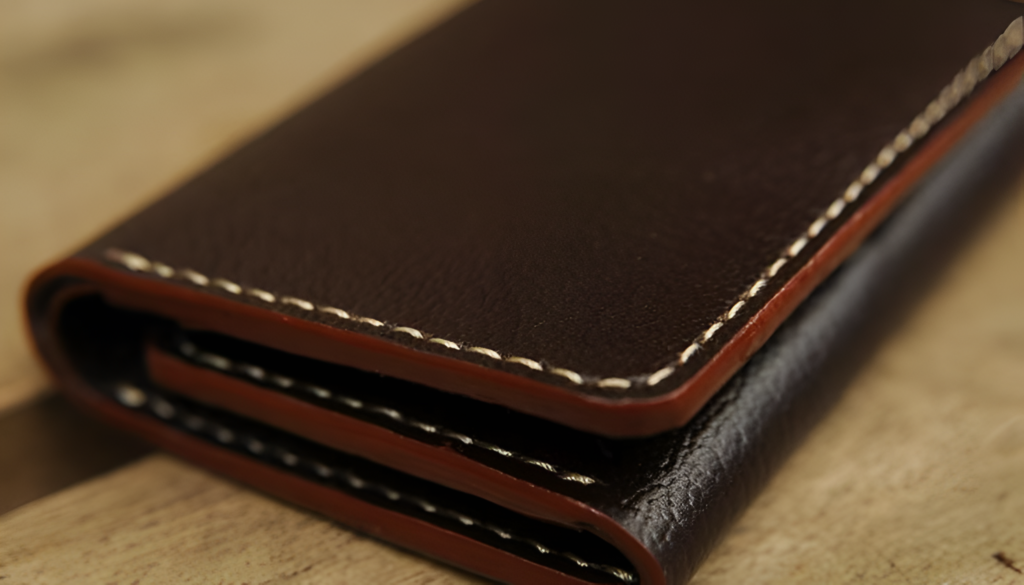
One overlooked aspect of minimalist wallets is how they reshape habits.
Because capacity is limited:
- You become more aware of what you carry
- You notice unused items faster
- You tend to declutter more often
For some, this spills into other areas of life. For others, it remains confined to the wallet.
Psychological Benefits: Subtle but Real
Minimalist wallets can create a sense of control.
Knowing that everything in your wallet is intentional reduces low-level anxiety. You stop worrying about what’s inside because you already know.
This benefit is subtle but meaningful for people who value mental clarity.
Social and Professional Context Matters
Minimalist wallets perform differently depending on context.
In professional environments where:
- Access cards are required
- Business cards are exchanged
- Cash is rarely used
They work well.
In social environments where:
- Cash is common
- IDs are checked
- Cards are shared or lent
They can feel restrictive.
Age, Lifestyle, and Minimalism
Minimalist wallets tend to suit:
- Younger professionals
- Urban environments
- Tech-integrated lifestyles
- Predictable routines
They may feel less suitable for:
- Highly mobile professions
- Travel-heavy schedules
- Family logistics
- Multi-access environments
This is not about age, but about the complexity of daily life.
Durability and Minimalism
Slim wallets place more stress on leather because:
- There are fewer layers
- Edges experience more pressure
- Card tension is higher
Leather choice matters more in minimalist designs. Flexible, high-quality leather performs better under concentrated stress.

Does Minimalism Reduce Decision Fatigue?
Decision fatigue refers to the gradual mental exhaustion that comes from making repeated small choices throughout the day. While a wallet might seem insignificant in this context, it is one of the few objects most men interact with daily, often multiple times in moments that already require attention, such as paying, travelling, or identifying oneself.
A minimalist wallet reduces decision fatigue not by eliminating decisions, but by narrowing the range of possible choices. When a wallet holds only essential cards and minimal cash, the act of reaching for it becomes more automatic.
There is less scanning, sorting, or second-guessing. The correct card is easier to locate because fewer alternatives are competing for attention.
In contrast, a traditional overfilled wallet often introduces micro-decisions: which card is where, whether a receipt needs to be moved, or whether something unnecessary should be removed later.
These moments are small, but they accumulate over time, especially when repeated daily. The mental load is not dramatic, but it is persistent.
Minimalist wallets also reduce the need for ongoing reorganisation. Because capacity is limited by design, excess cards and items are naturally excluded.
This creates a form of passive discipline; the wallet enforces simplicity without requiring constant willpower. As a result, users spend less time deciding what to keep, move, or remove.
However, it’s important to note that minimalism only reduces decision fatigue when it aligns with actual needs.
If a wallet is too minimal and requires frequent workarounds, such as carrying loose cards or switching wallets, it can increase cognitive friction instead. The benefit comes from appropriate reduction, not extreme restriction.
In practical terms, minimalist wallets tend to reduce decision fatigue by turning everyday interactions into habits rather than choices. When the contents are intentional and stable, the wallet fades into the background of daily life, which is precisely where well-designed tools belong.
Minimalism as a Filter, Not a Rule
Minimalist wallets work best when treated as filters rather than strict rules.
Some users maintain:
- A minimalist daily wallet
- A secondary storage for less-used items
This hybrid approach preserves benefits without forcing constant compromise.
Common Misconceptions About Minimalist Wallets
“Minimalist wallets are always better.”
They’re better for certain habits, not universally.
“They force discipline.”
They only work if discipline already exists or is welcomed.
“They save time.”
They save time during use, not necessarily during setup or transitions.
Who Minimalist Wallets Truly Help
Minimalist wallets genuinely make life easier for people who:
- Value comfort over capacity
- Use a small, stable set of essentials
- Prefer clarity over flexibility
- Are you comfortable with digital alternatives?
- Dislike carrying “just in case” items
Who Do Traditional Wallets Still Serve Better
Traditional wallets remain practical for people who:
- Need frequent adaptability
- Carry varied cards and documents
- Prefer preparedness
- Dislike frequent re-organisation
- Experience unpredictable daily needs
Conclusion
Minimalist wallets don’t automatically make life easier; they make life more intentional.
For people whose daily needs are predictable, digital-friendly, and streamlined, minimalist wallets remove friction, reduce bulk, and simplify interactions. In those cases, the benefits are real and lasting.
For people whose lives involve variation, spontaneity, or frequent exceptions, minimalist wallets can feel constraining rather than freeing.
The real value of a minimalist wallet lies not in how little it holds, but in how well its limitations match the reality of your daily life. When those align, minimalism feels effortless. When they don’t, it feels like work.
Minimalist wallets are tools, not upgrades by default.