



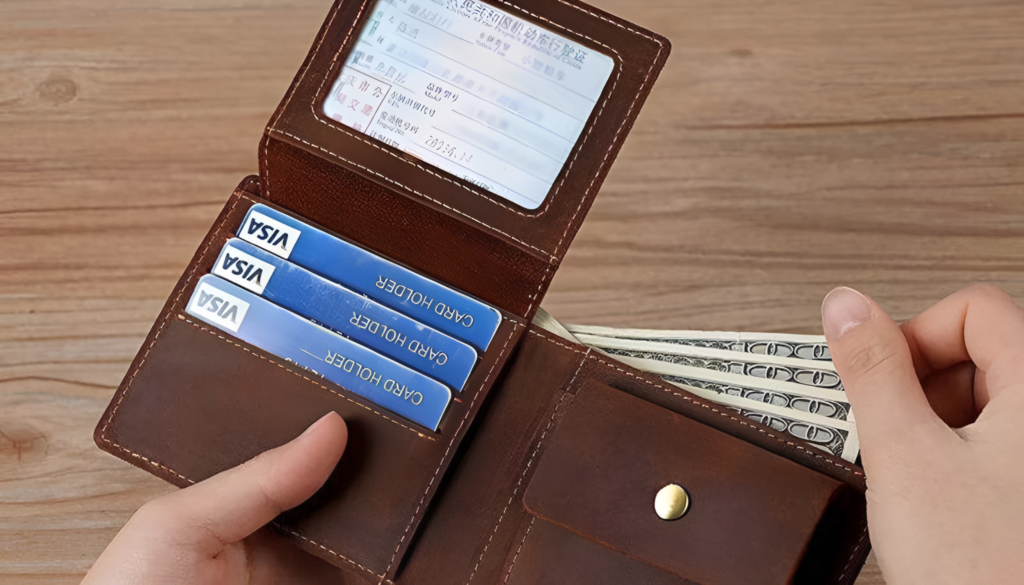
How Men’s Wallet Use Has Changed
Men’s wallet use has changed less because wallets themselves needed reinvention, and more because the way men carry money, identification, and essentials has fundamentally shifted.
What was once a purely functional item designed to hold cash has become a compact, daily-use object shaped by technology, lifestyle, and comfort expectations.
The most significant change is the decline of physical cash. While cash has not disappeared entirely, it is no longer the primary payment method for many people.
Contactless cards, mobile payments, and digital wallets mean fewer notes and coins are carried day to day. As a result, wallets no longer need large bill compartments or coin sections for most users. Instead, the focus has shifted to efficient card storage and quick access.
At the same time, the number of cards carried has increased, not decreased. Debit cards, credit cards, work access cards, transport cards, and IDs often replace cash, creating a different kind of bulk.
Modern wallet use is therefore about managing flat items efficiently, rather than accommodating volume. This shift is one of the main drivers behind slimmer wallet designs and more deliberate interior layouts.
Where and how wallets are carried has also changed. Many men now prefer front-pocket carry over traditional back-pocket carry, driven by comfort, posture awareness, and security concerns. This change places new demands on wallet design.
A wallet that sits comfortably in a jacket pocket may feel intrusive or awkward in a front pocket. Thinner profiles, rounded edges, and flexible leather matter more than they did in the past.
Daily movement patterns have evolved as well. Wallets are no longer static items taken out occasionally. They are removed frequently for transport access, work entry, payments, and identification. This increases handling, bending, and friction. As a result, durability is no longer just about resisting damage, but about remaining comfortable and functional under constant interaction.
Technology has also influenced expectations. Men are accustomed to products that are intuitive, efficient, and unobtrusive. This mindset carries over to wallets.
Bulky designs, unnecessary compartments, and rigid structures feel outdated in a world where most essentials are streamlined. Modern wallets use reward designs that remove friction rather than add options.
Finally, personal preference has become more varied. Some men want minimalist wallets that carry only the essentials. Others still prefer traditional bifolds but expect them to be slimmer and more refined than older designs. The common thread is intentionality. Men are less likely to accept excess bulk or unused features simply because “that’s how wallets are made.”
In practical terms, these changes mean that a good men’s wallet in 2026 must reflect how wallets are actually used, not how they were used a decade ago. Understanding this shift is essential before evaluating which features matter and which ones no longer serve a purpose.
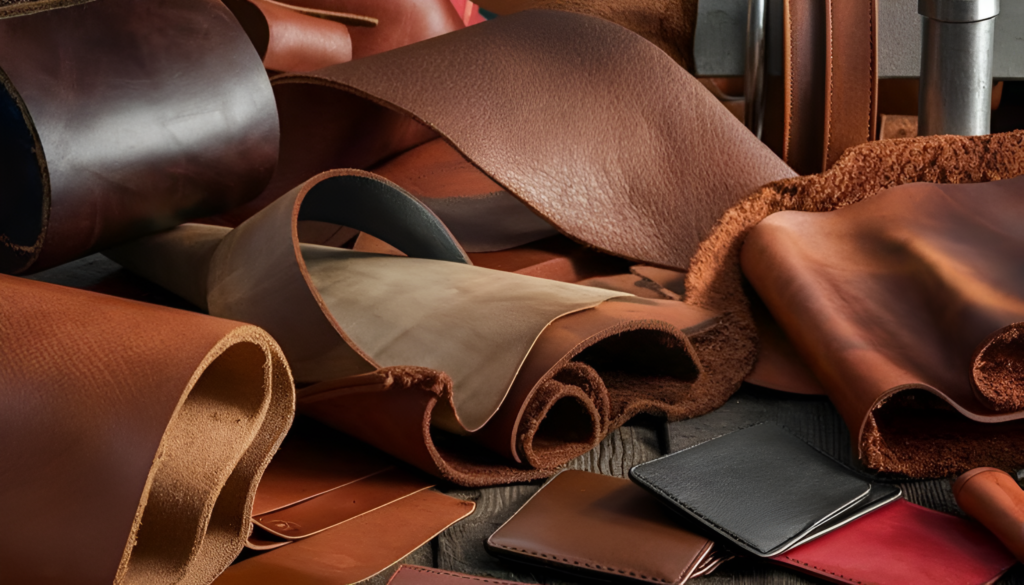
Feature 1: Thoughtful Slimness, Not Extreme Thinness
Slimness remains one of the most important wallet features, but the definition has matured.
In 2026, slim wallet design is not about being as thin as possible at all costs. Instead, it’s about eliminating unnecessary bulk while preserving structure, comfort, and durability.
Why Extreme Thinness Often Fails
Ultra-thin wallets can:
- Create sharp pressure points in pockets
- Overstress the leather at fold lines
- Lose shape quickly
- Become uncomfortable when filled
A good wallet is slim when loaded, not just when empty.
What to Look For
A well-designed slim wallet:
- Holds its intended number of cards without stretching
- Maintains even thickness across its profile
- Avoids rigid plates that dig into the body
- Uses leather that adapts rather than resists
Slimness should feel natural, not forced.
Feature 2: Card Capacity That Matches Real Use
Most men carry between 4 and 8 cards daily. Wallets that hold far more encourage clutter, while wallets that hold fewer often feel restrictive.
Modern Card Expectations
In 2026, a good wallet should comfortably carry:
- 1–2 payment cards
- 1 form of ID
- 1–2 secondary cards (work, transit, access)
- Optional space for one backup card
Designing for this reality results in cleaner layouts and longer leather life.
Why Overcapacity Hurts Wallets
Wallets designed for excessive card capacity:
- Stretch unevenly
- Lose shape faster
- Create bulky folds
- Age poorly
A good wallet limits capacity intentionally rather than advertising maximum storage.
Feature 3: Intelligent Card Slot Design
Not all card slots are equal. In 2026, quality lies in how slots are constructed and positioned, not just how many exist.
What Good Card Slots Do
Well-designed card slots:
- Grip cards securely without being too tight
- Release cards smoothly
- Maintain shape over time
- Avoid excessive overlap
Slots should work with leather, not against it.
Vertical vs Horizontal Slots
Vertical slots reduce stacking bulk and improve access. Horizontal slots offer familiarity but can encourage overfilling.
A good modern wallet uses orientation intentionally, not arbitrarily.
Feature 4: Minimalist Layout That Respects Structure
Minimalist wallet features are still popular, but the definition of “minimalist” has become more refined.
Minimalism in 2026 is about efficiency, not deprivation.
Good Minimalism Means:
- No unnecessary pockets
- No decorative layers that add bulk
- Clear function for every component
- Balanced proportions
Bad Minimalism Looks Like:
- Removing structure entirely
- Over-stressing leather
- Prioritising appearance over comfort
- Shortening lifespan
A minimalist wallet should feel simpler to use, not more demanding.
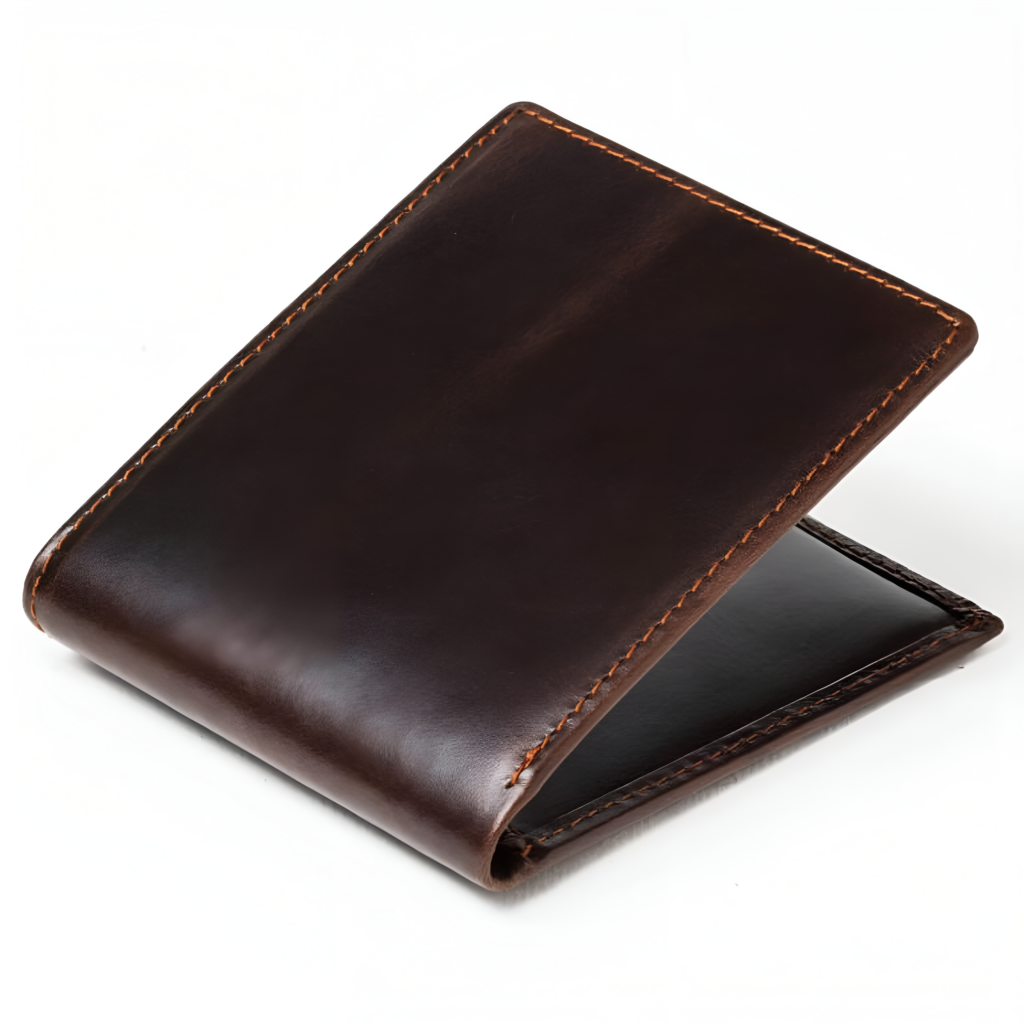
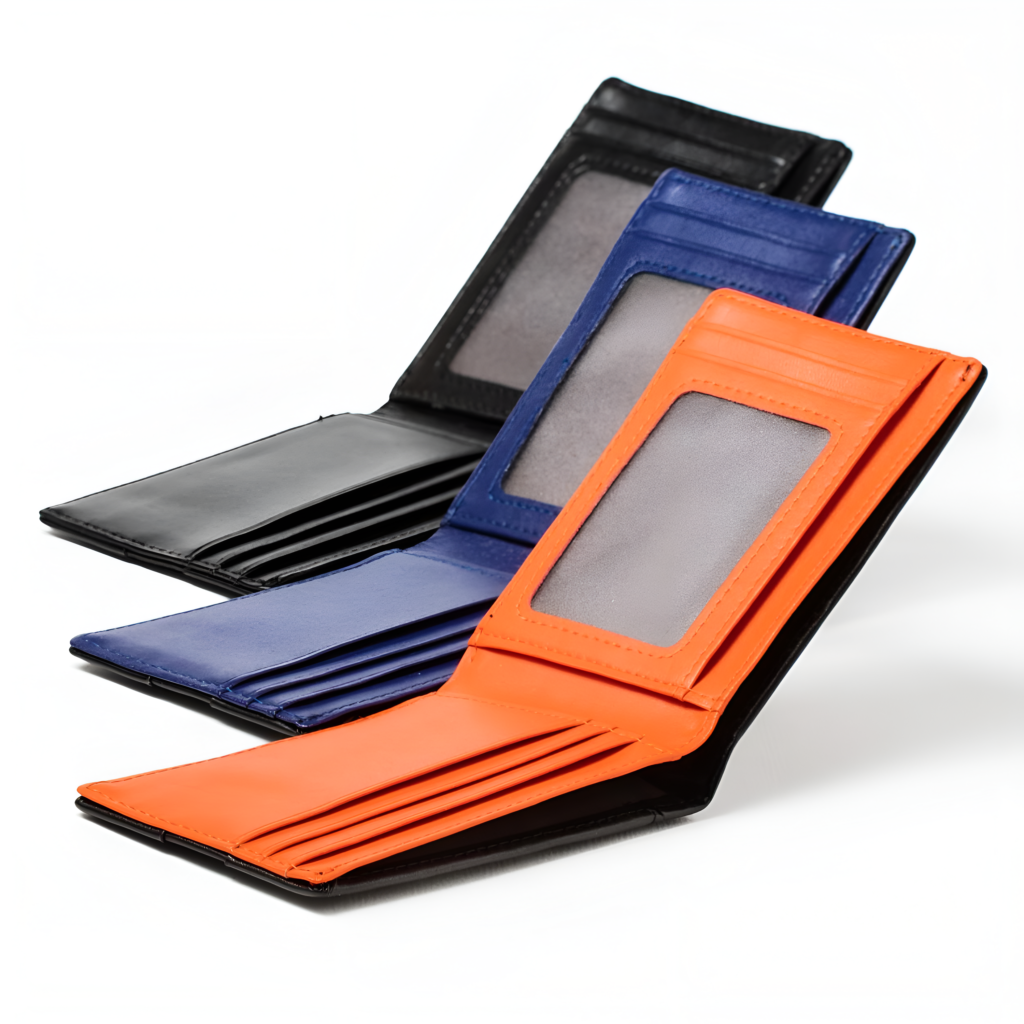
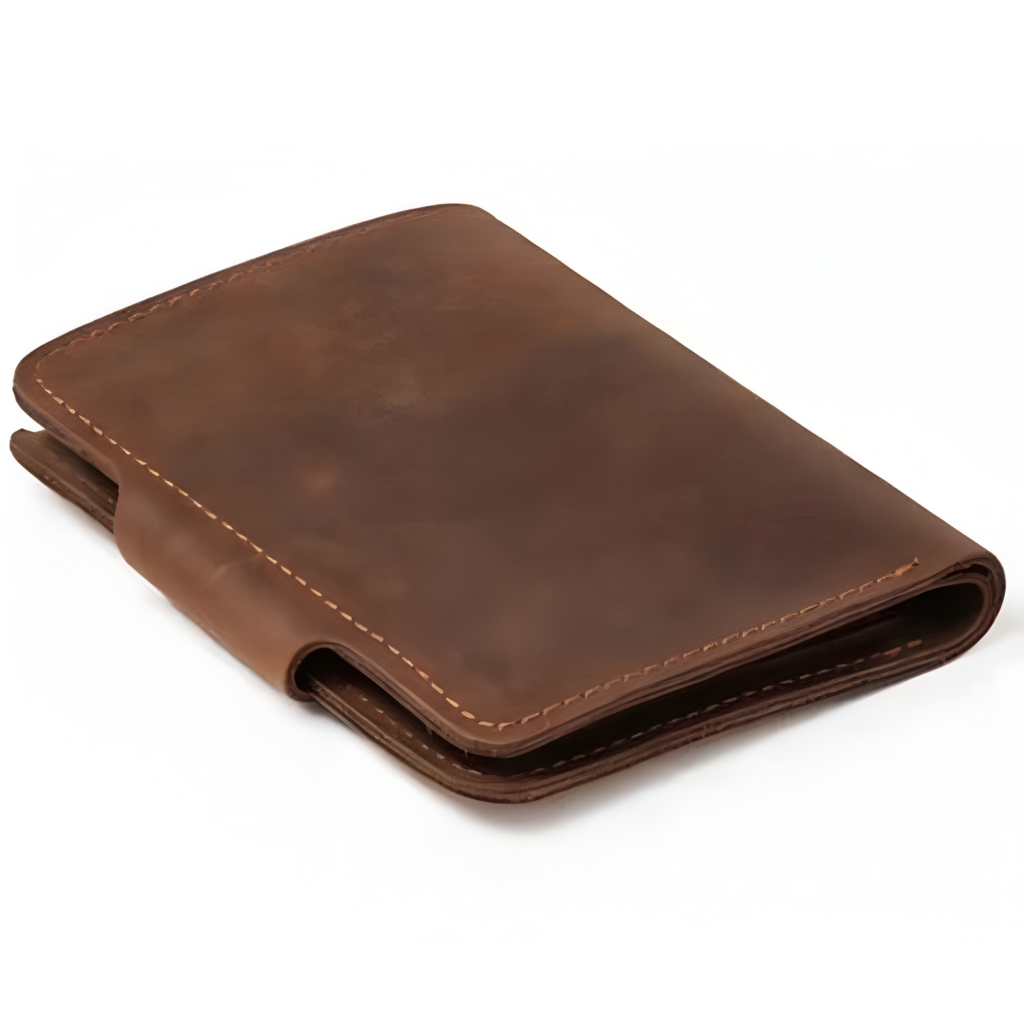
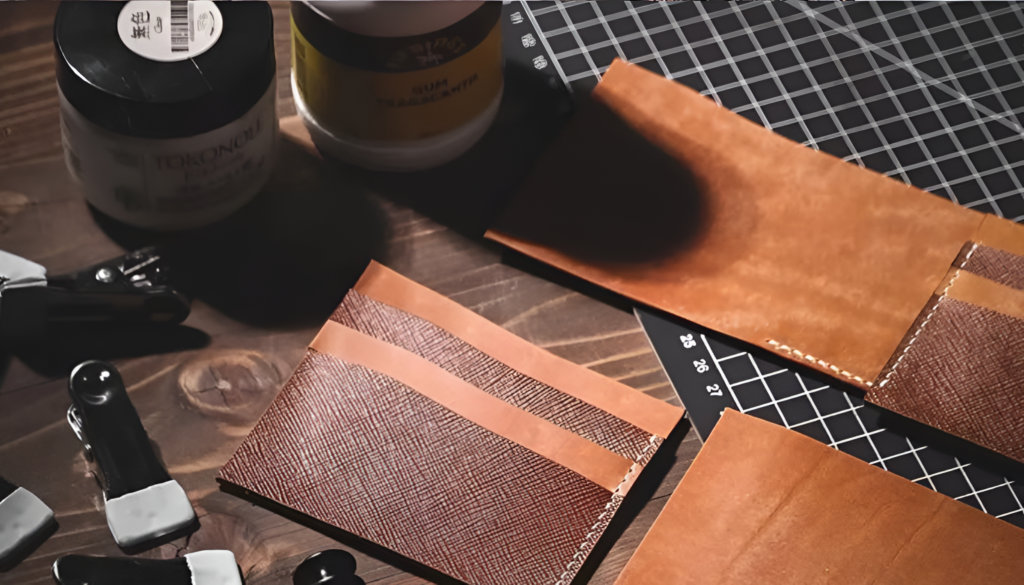
In 2026, a good men’s wallet is expected to work quietly in the background of everyday life. It must handle constant handling, movement, and pressure without becoming uncomfortable or deteriorating prematurely.
This makes leather choice less about appearance on day one and more about how the material behaves under daily, repetitive stress.
Leather that supports daily use must first be able to flex repeatedly without damage. Modern wallet use involves frequent opening and closing, card removal, and pocket compression throughout the day.
Leathers that are too stiff or overly rigid tend to concentrate stress at fold lines, eventually leading to sharp creases, cracking, or discomfort. By contrast, leather that has balanced fibre density and internal flexibility spreads stress more evenly, allowing it to bend naturally without weakening.
Another critical factor is how the leather responds to constant contact with the body. Wallets are exposed to body heat, skin oils, and moisture for long periods, especially when carried in trouser or jacket pockets.
Leather suited to daily use absorbs these influences gradually and evenly, developing character without becoming greasy, blotchy, or brittle. Leathers that are overly sensitive to moisture or require ideal conditions often struggle in real-world carry.
Surface behaviour also matters. Leather that supports daily use does not rely on heavy coatings to look good. Thick surface finishes may resist marks initially, but once they wear away, the leather underneath often lacks the strength to age gracefully.
High-quality, daily-use leather allows surface marks to blend into patina rather than exposing damage. Scratches and scuffs become part of the wallet’s evolving appearance instead of points of failure.
Comfort is another overlooked aspect. A wallet used every day should become more comfortable over time, not less. Leather that softens gradually while retaining structure improves how the wallet feels in the pocket.
It adapts to movement, compresses slightly when sitting, and recovers afterward. This balance between softness and resilience is what separates leather that merely survives daily use from leather that genuinely supports it.
Finally, leather suited to daily use requires reasonable maintenance expectations. A modern wallet should not demand constant conditioning or protection to remain functional.
While no leather is maintenance-free, the best everyday leathers tolerate normal neglect without rapid decline. Occasional care should enhance longevity, not be a requirement for basic usability.
In practical terms, leather that supports daily use is leather that works with the rhythms of modern life rather than resisting them. It prioritises flexibility without fragility, resilience without rigidity, and ageing that enhances both comfort and character over time.
Feature 6: Stitching That Prioritises Longevity
Leather wallet stitching is one of the most overlooked indicators of quality.
What Good Stitching Looks Like
High-quality stitching:
- Uses strong thread (often polyester or nylon)
- Maintains even spacing
- Avoids loose ends
- Is placed away from high-stress edges when possible
Why Stitching Matters More Than Glue
Stitching holds structure over time. Glue does not. Wallets that rely heavily on adhesive tend to delaminate as they age.
In 2026, a good wallet still respects traditional construction principles.
Feature 7: Edge Finishing That Ages Properly
Edges are one of the first areas to show wear.
Quality Edge Treatments
Good wallets use:
- Folded edges
- Burnished edges
- Minimal edge paint
Painted edges can crack over time, especially on flexible wallets.
Edges should wear down gradually, not fail suddenly.
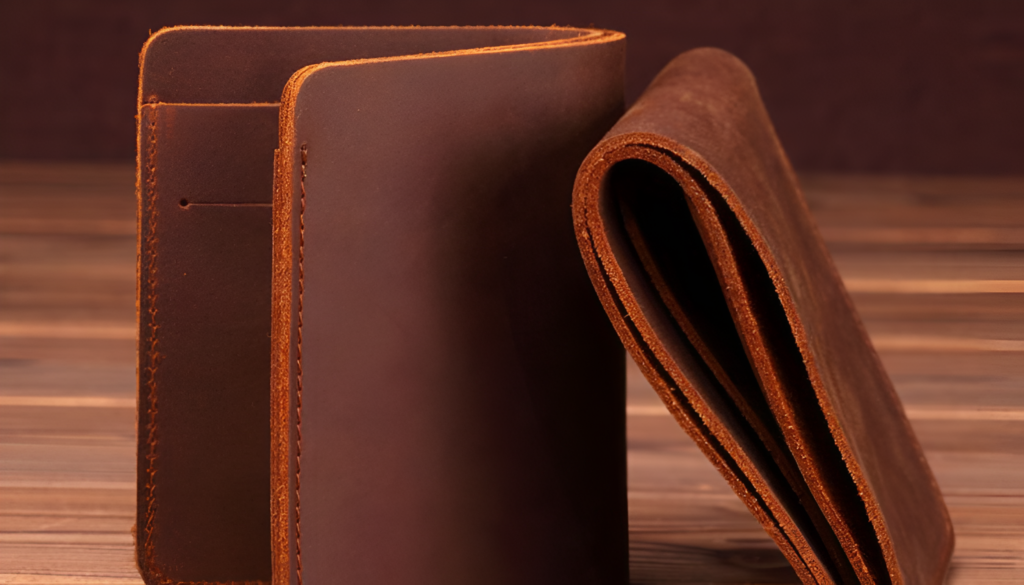
Feature 8: Comfortable Fold Geometry
How a wallet folds matters more than most people realise.
A well-designed fold:
- Distributes stress evenly
- Avoids sharp creases
- Allows the wallet to open naturally
Poor fold design leads to cracking, stiffness, and discomfort.
In 2026, comfort is a core feature, not a luxury.
Feature 9: Pocket Comfort and Body Awareness
A good modern men’s wallet considers how it sits in the pocket during:
- Walking
- Sitting
- Driving
Wallets that feel fine when standing can become irritating over hours of carry.
Design Factors That Affect Comfort
- Rounded corners
- Flexible leather
- Even thickness
- No sharp internal elements
Comfort is not subjective; it’s the result of good design.
Feature 10: Compatibility With Digital Lifestyles (Without Overdoing It)
RFID protection was heavily marketed in the past. In 2026, it’s treated more practically.
When RFID Matters
- For contactless-heavy users
- For frequent travellers
- For crowded urban environments
When It Doesn’t
- If it adds stiffness
- If it requires thick metal layers
- If it compromises flexibility
A good wallet integrates technology subtly or not at all.
Feature 11: Sensible Cash Storage
Cash is less common, but it’s not obsolete.
A good wallet in 2026:
- Allows folded notes
- Doesn’t prioritise cash over cards
- Keeps cash accessible but secondary
Bulky bill compartments are unnecessary for most users.
Feature 12: Design That Ages Visually, Not Just Structurally
Wallets should look better over time, not just survive it.
This means:
- Leather that patinates
- Construction that softens gracefully
- Layouts that don’t distort
A wallet that looks tired after a year is poorly designed.
Feature 13: Realistic Capacity Limits
A good wallet gently enforces limits.
When wallets try to accommodate everything, they fail at doing anything well.
Capacity limits protect:
- Leather
- Stitching
- Comfort
- Aesthetics
Good design includes restraint.
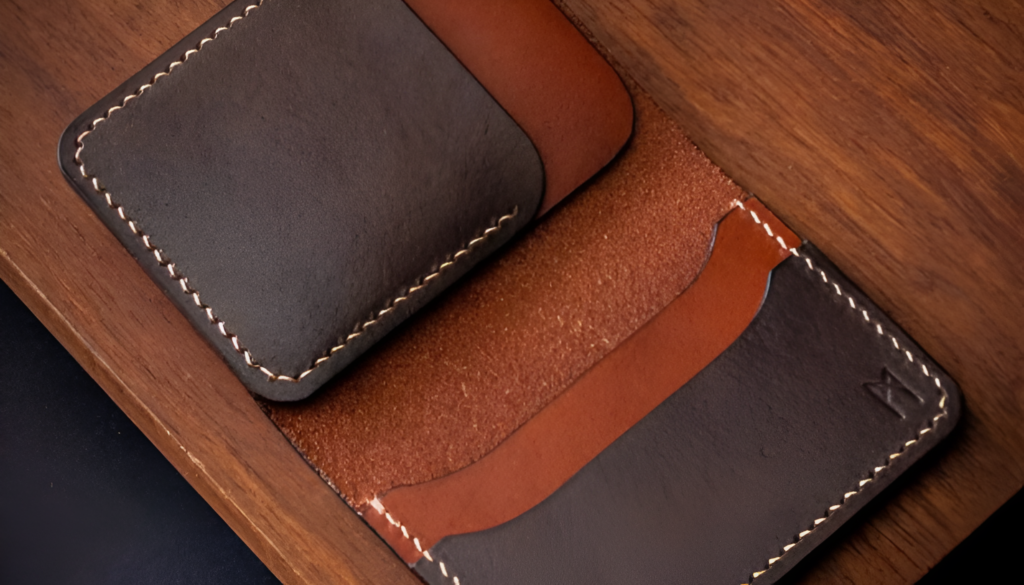
Feature 14: Adaptability Across Settings
In 2026, one wallet often serves multiple contexts:
- Work
- Travel
- Casual use
- Occasional formal settings
Overly technical or novelty designs often feel out of place.
A good wallet remains neutral and adaptable.
Feature 15: Longevity Over Replaceability
Fast replacement culture is fading.
A high-quality wallet in 2026 is expected to:
- Last years, not months
- Age with use
- Remain functional throughout its lifespan
This shifts focus away from trends and toward materials and construction.
Feature 16: No Gimmicks Disguised as Innovation
True innovation improves usability.
False innovation adds:
- Hidden mechanisms that fail
- Excess hardware
- Complexity without benefit
In 2026, restraint is a sign of maturity, not lack of creativity.
Feature 17: Ethical and Sustainable Choices (Without Marketing Noise)
While sustainability matters, good wallets in 2026 reflect it through:
- Longevity
- Reduced waste
- Quality materials
Not through excessive claims or performative features.
Feature 18: A Design That Encourages Better Habits
A well-designed wallet subtly encourages:
- Carrying fewer unnecessary items
- Staying organised
- Reducing bulk
This improves the daily experience more than any feature list.
Common Mistakes When Choosing a Wallet in 2026
Many wallets fail not because of poor materials, but because of poor alignment with use.
Common mistakes include:
- Prioritising thinness over comfort
- Choosing style over function
- Overvaluing capacity
- Ignoring how the wallet feels when full
Awareness prevents regret.
How to Evaluate Wallet Features in Practice
When assessing a wallet:
- Imagine it fully loaded
- Consider how it folds
- Think about pocket comfort
- Ask how it will feel after a year, not a week
Good wallets reveal themselves over time.
The Role of Personal Preference
No feature exists in isolation.
Some men value structure. Others value softness. Some want minimalism. Others want flexibility.
The best wallet features are the ones that support your habits, not generic ideals.
Conclusion
A good men’s wallet in 2026 is not defined by novelty or extreme minimalism. It is defined by thoughtful design, durable materials, and real-world usability.
The best wallets feel intuitive to use, comfortable to carry, and satisfying to own over the years rather than months. They age well, adapt to modern habits, and avoid unnecessary complexity.
Ultimately, the right wallet is the one that quietly supports your daily life without demanding attention, a tool refined enough to disappear until you need it.