



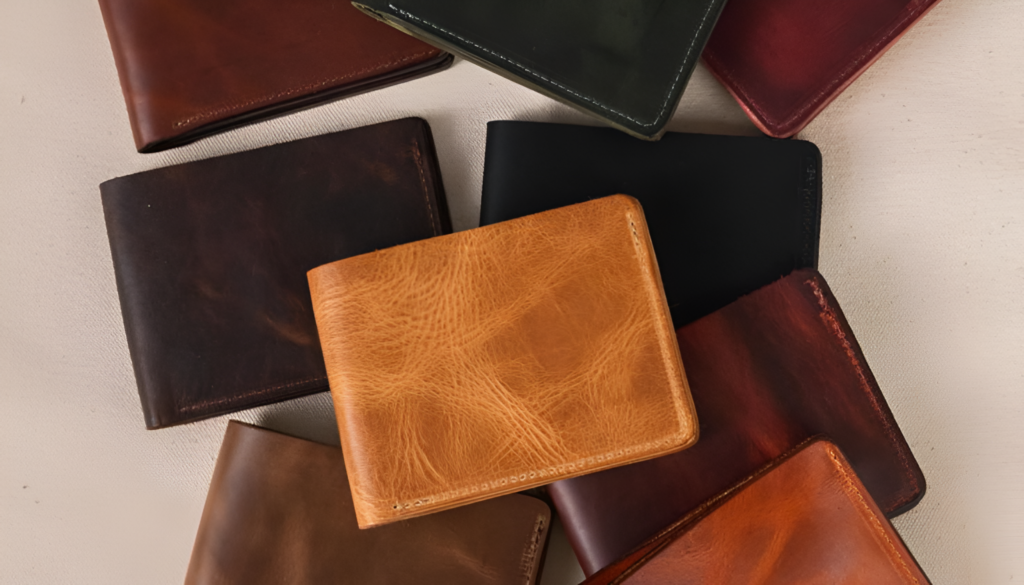
What People Usually Mean by “Genuine Leather”
The term “genuine leather” sounds reassuring. For many buyers, it suggests authenticity or quality. In reality, it is one of the least specific terms used in leather goods.
Genuine Leather Wallet Meaning Explained
Genuine leather simply means that the product contains real leather. It does not describe the grade of leather, which part of the hide is used, or how the leather has been treated. In most cases, genuine leather wallets are made from the lower layers of the hide, after the top grain has been removed.
Expert Quote: “Genuine leather is produced using the skin layers that remain after the top is split off and from the corium predominantly.” Octane
These lower layers are more fibrous and less durable. To make them suitable for wallets, manufacturers usually apply surface treatments such as embossing, coatings, or artificial grain patterns. This improves appearance in the short term but does not change the underlying fibre strength.
As a result, genuine leather wallet quality can vary widely, but it is generally lower than full-grain or oil-treated leather.
What Crazy Horse Leather Actually Is
Crazy Horse leather sits at the opposite end of the spectrum. Rather than describing a minimum requirement like “genuine leather,” it refers to a specific way of treating high-quality leather.
Crazy Horse leather is made from full-grain cowhide that has been infused with natural oils and waxes. The grain is left intact, preserving the strongest part of the hide. The oil treatment allows the leather to remain flexible while also creating the distinctive pull-up effect, where colour changes slightly when the leather is bent or rubbed.
This process doesn’t hide imperfections; it embraces them. Marks, grain variation, and natural character are part of the finished material rather than something to be corrected.
Full Grain vs Genuine Leather: The Core Structural Difference
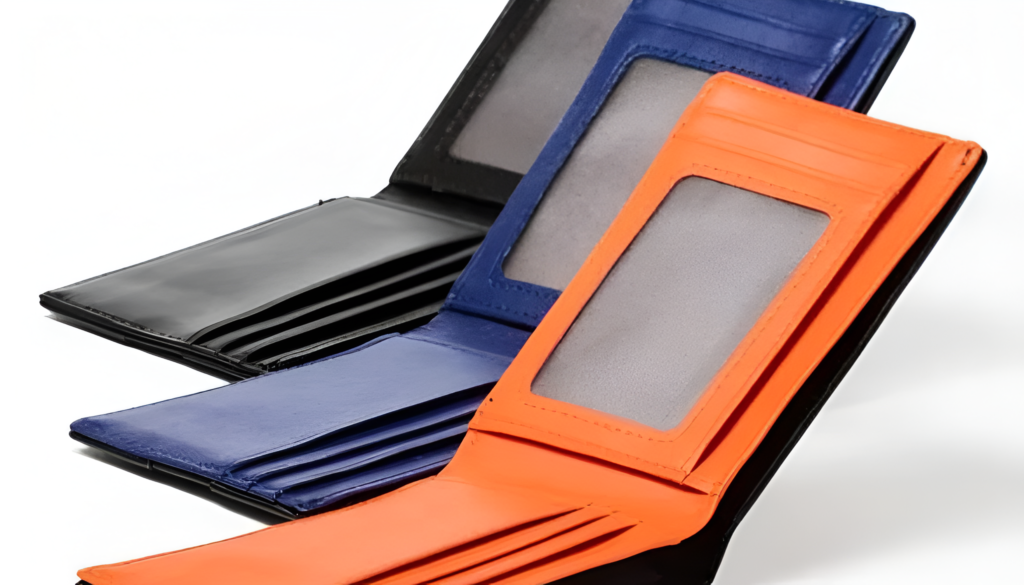
To understand why these two leathers perform so differently in wallets, it helps to look at the structure of the hide itself.
Full-grain leather comes from the top layer of the hide, where the fibres are tightly packed and aligned. This structure provides natural strength, tear resistance, and elasticity. When cut thin for wallet use, full-grain leather retains its integrity.
Genuine leather, by contrast, usually comes from split layers beneath the grain. The fibres here are looser and less uniform. On their own, they are not strong enough for long-term wallet use, which is why surface coatings and embossing are often added.
This full grain vs genuine leather difference explains much of what you experience later: how a wallet bends, how it handles pressure, and how it responds to wear over time.
How Each Leather Handles Daily Wallet Use
Wallets are subjected to a very specific type of stress. They are folded repeatedly, compressed in pockets, rubbed against clothing, and exposed to body heat. These conditions reveal weaknesses quickly.
Crazy Horse leather adapts well to this environment. The oil treatment allows the fibres to move rather than resist. Over time, the leather becomes more supple without losing strength. Fold lines soften instead of cracking.
Genuine leather often behaves differently. At first, surface coatings may make it feel smooth and uniform. But as the wallet is flexed daily, these coatings begin to wear. Once that happens, the weaker fibre structure underneath is exposed, leading to sharp creases, splitting, or peeling.
Ageing vs Wearing Out: A Key Distinction
One of the most important differences between Crazy Horse leather and genuine leather is how they change over time.
Crazy Horse leather is designed to age. Scratches, pressure marks, and colour shifts blend into the surface. Oils redistribute naturally, creating a patina that reflects use rather than damage. Over the years, the wallet often looks more cohesive and personal than it did when new.
Genuine leather typically wears out rather than ages. Instead of developing patina, it loses surface finish. Cracks may appear at stress points, especially along folds and edges. Rather than becoming more comfortable, the wallet often feels thinner and less structured.
This difference is central when considering the best leather for everyday wallet use.
Comfort and Flexibility in Real Life
Comfort is often overlooked when comparing leather types, yet it has a major impact on daily use.
Crazy Horse leather starts relatively flexible and becomes more so with time. This makes it comfortable in both front and back pockets, especially for men who sit for long periods or move frequently throughout the day. The leather bends with the body rather than resisting it.
Genuine leather wallets can feel soft initially due to surface treatments, but this softness is superficial. As the wallet breaks down, it may lose structure unevenly, creating pressure points or awkward folds that reduce comfort.
Appearance: Uniformity vs Character
Visually, the difference between these leathers reflects a broader difference in philosophy.
Crazy Horse leather prioritises character. Colour variation, grain marks, and gradual change are expected. Each wallet becomes visually unique, shaped by how it’s used.
Genuine leather prioritises uniformity at the start. Embossed grain and coatings create a consistent appearance when new, but this consistency often disappears once wear sets in.
Neither approach is inherently wrong, but they appeal to different preferences. The key is understanding which experience you want over time.
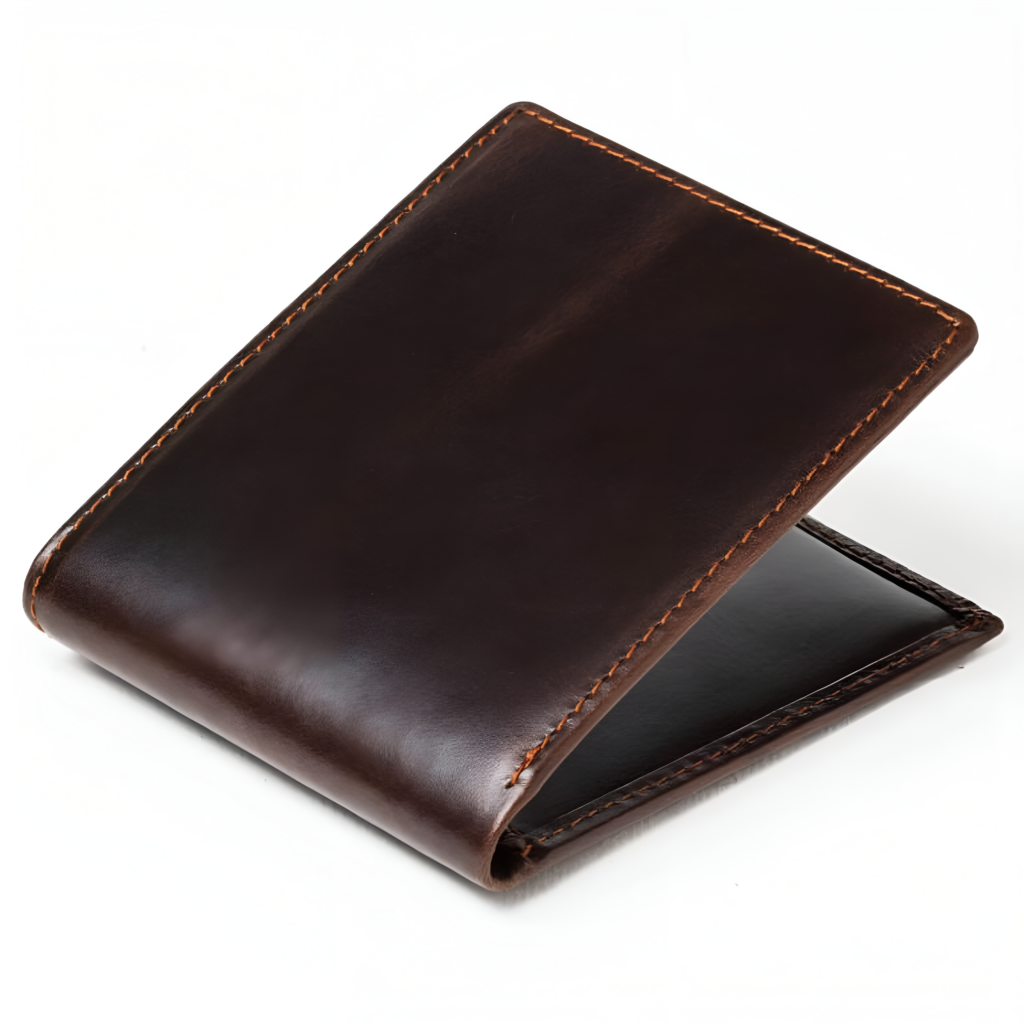
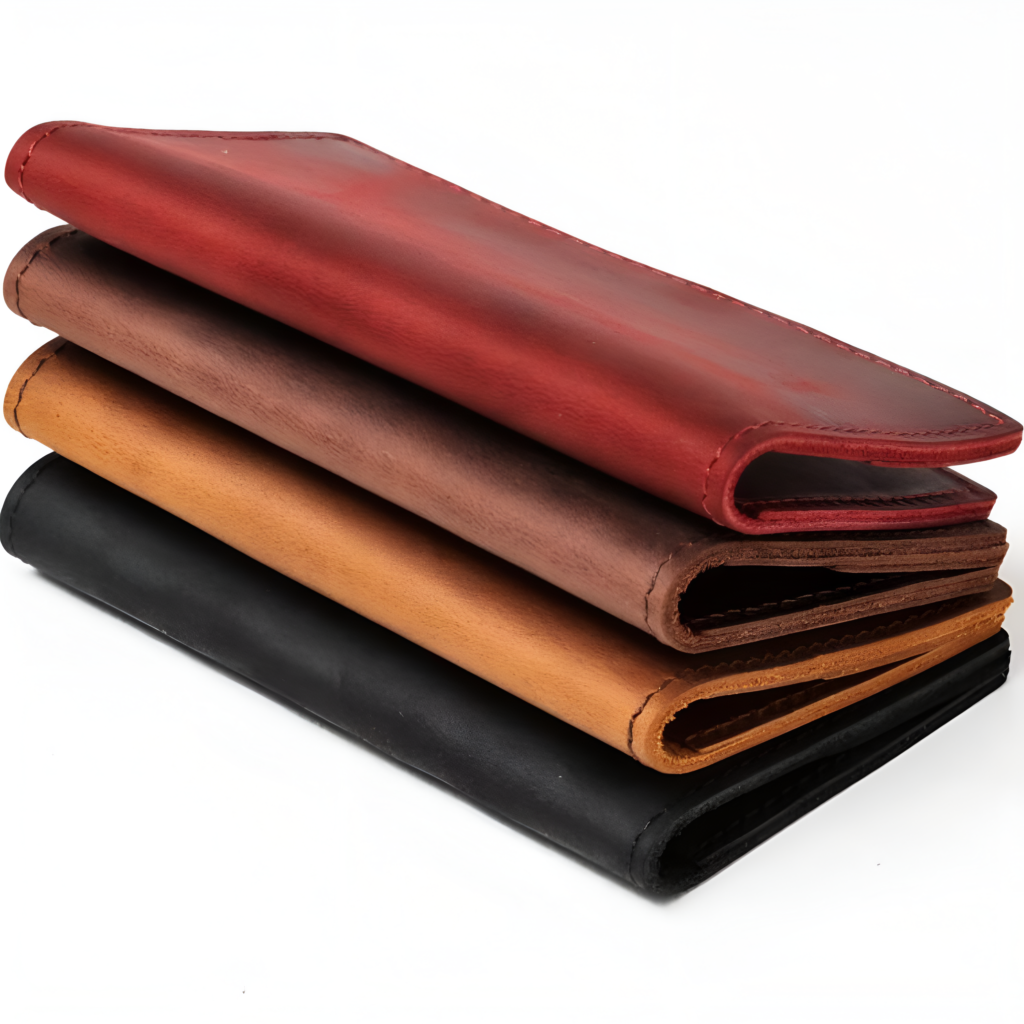
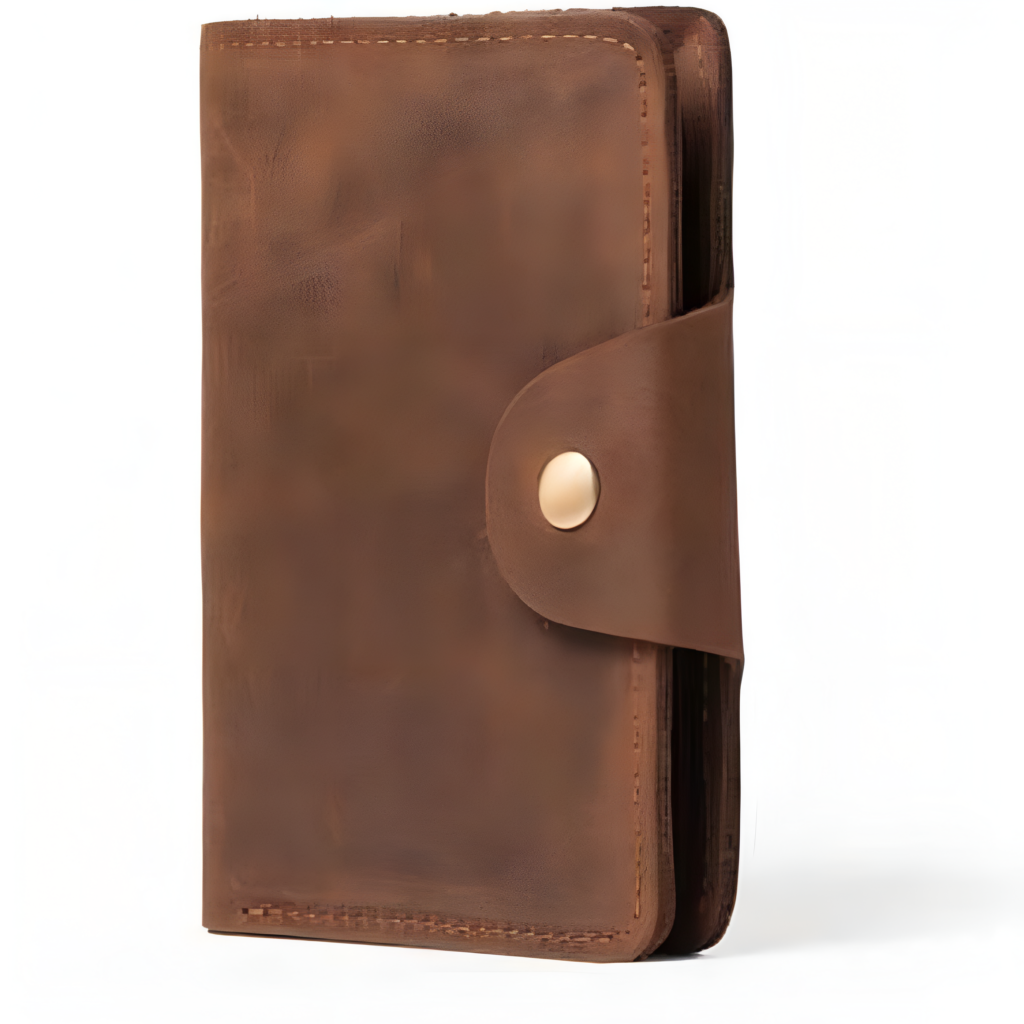
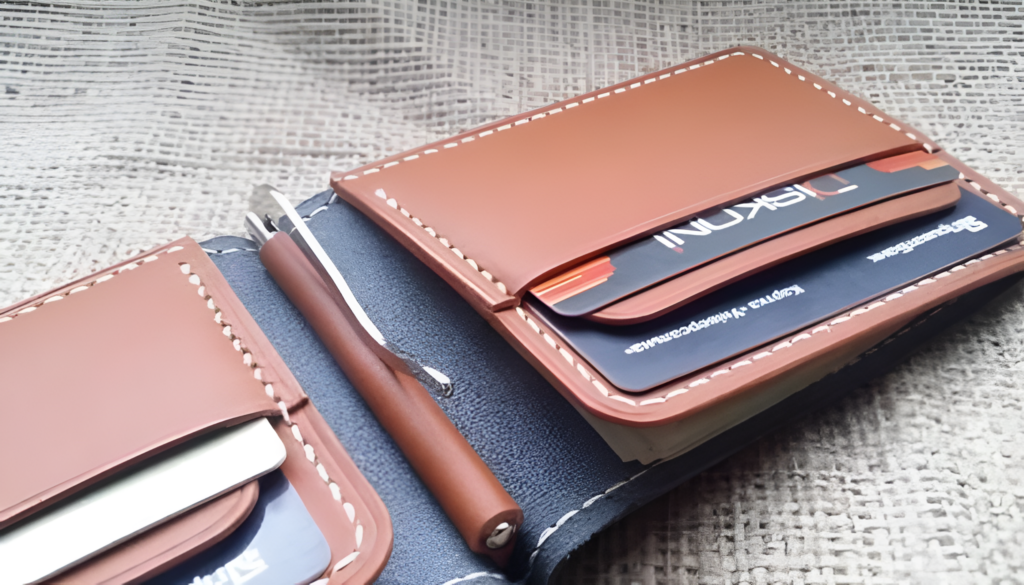
Leather wallets are often treated as low-maintenance items, but different types of leather respond very differently to use and care. Understanding what a leather actually needs and what it doesn’t helps set realistic expectations and prevents unnecessary damage.
Care Expectations for Crazy Horse Leather
Crazy Horse leather is designed to be used rather than protected. Because it is oil-treated, much of its ongoing care happens naturally through handling. The oils infused into the leather fibres redistribute as the wallet is bent, rubbed, and handled, which helps maintain flexibility and surface cohesion.
In day-to-day use, Crazy Horse leather rarely requires special attention. Light scratches or pressure marks are not a sign of damage. In many cases, gently rubbing the area with a finger or soft cloth is enough to reduce their appearance by moving oils back into the affected area. This makes it one of the most forgiving leathers for everyday carry.
Occasional conditioning can be beneficial, particularly if the wallet is exposed to dry conditions or has been used heavily for a long period. A small amount of leather conditioner or natural wax applied sparingly helps replenish surface oils and maintain suppleness. Over-conditioning should be avoided, as it can darken the leather more than expected.
Importantly, Crazy Horse leather does not benefit from heavy surface treatments or polishes. These can interfere with the leather’s natural pull-up effect and reduce its ability to age evenly.
Care Expectations for Genuine Leather
Genuine leather wallets often appear low-maintenance at first because their surface coatings provide short-term protection. However, these coatings mask the leather’s limitations rather than strengthening it.
Once the surface finish begins to wear, typically at fold lines, edges, and card slots, maintenance options become limited. Conditioning does little to restore areas where the coating has cracked or peeled, because the underlying fibre structure is weaker and less responsive.
Attempts to polish or treat genuine leather heavily can sometimes accelerate breakdown by causing the surface layers to separate further from the base leather. As a result, genuine leather wallets often have a narrower window where they look and perform their best.
Cleaning and Environmental Exposure
For both types of leather, basic care habits make a difference. Wallets should be kept away from prolonged moisture exposure, as water can cause staining or stiffening, particularly in untreated or lower-grade leather. If a wallet does get wet, allowing it to air-dry naturally, away from heat sources, helps preserve fibre integrity.
Extreme heat and direct sunlight can dry out leather over time. Crazy Horse leather is more resistant due to its oil content, but it also benefits from being stored in a moderate environment when not in use.
Long-Term Care Expectations
The key difference in maintenance expectations lies in how each leather responds over time. Crazy Horse leather improves through normal use, requiring minimal intervention. Genuine leather tends to degrade once wear sets in, regardless of care efforts.
Understanding this distinction helps align care habits with reality. With Crazy Horse leather, care supports ageing. With genuine leather, care can only slow wear rather than transform it.
Ultimately, the right care approach depends less on how much effort you’re willing to invest and more on how the leather is designed to behave.
Cost vs Value Over Time
Genuine leather wallets are often less expensive upfront. This makes them appealing for short-term use or occasional carry. However, their shorter usable lifespan can reduce long-term value.
Crazy Horse leather wallets typically cost more initially because they use higher-grade leather and additional processing. Over time, however, their durability and ageing behaviour often provide better value for men who keep a wallet for years rather than months.
Everyday Use Scenarios: Which Leather Fits Better?
For someone who uses a wallet daily, carries it in a pocket, and expects it to last, Crazy Horse leather aligns more closely with those demands. Its flexibility, durability, and forgiving surface make it well-suited to constant handling.
For someone who uses a wallet occasionally or prioritises a uniform look for a limited period, genuine leather may be sufficient.
Understanding this context is more useful than relying on labels alone.
How This Comparison Fits Into Leather Types Overall
Crazy Horse leather and genuine leather are just two points on a wider spectrum. Seeing how they compare makes more sense when viewed alongside other leather options.
For a broader overview, it helps to understand how these materials sit within the wider range of leather used in wallets. The Complete Guide to Leather Used in Men’s Wallets, which explains how different grades and treatments affect performance across wallet styles.
You can also explore how Crazy Horse and genuine leather compare to other options in Types of leather used in men’s wallets, which places both materials within the full context of modern wallet design.
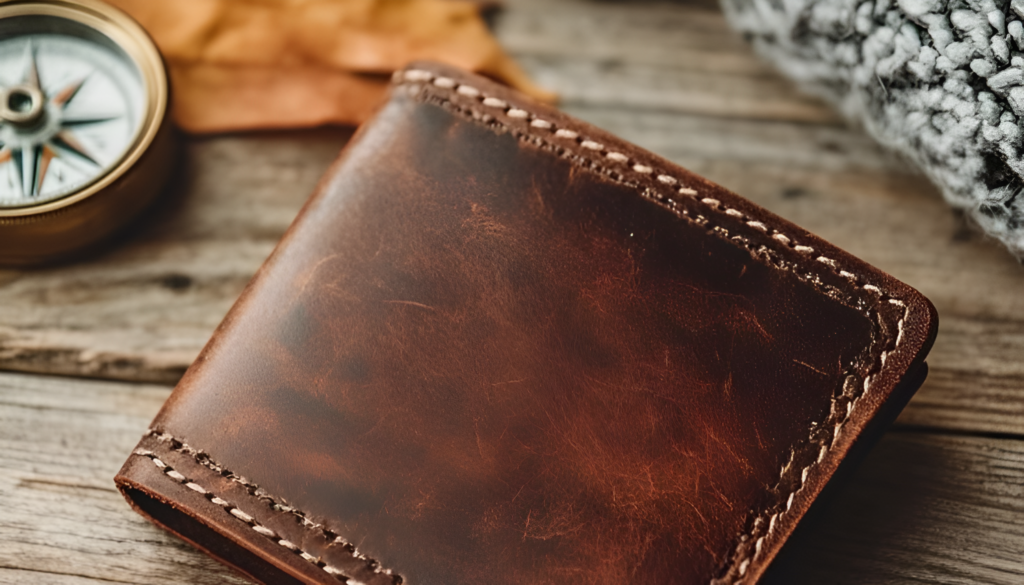
Why Crazy Horse Leather Is Often Chosen for Everyday Wallets
As wallet designs have become slimmer and more integrated into daily movement, the limitations of lower-grade leather have become more obvious. Thinner designs require stronger fibres and greater flexibility.
This is why many modern wallet brands, including Manzora, focus on oil-treated full-grain leather for everyday use. Crazy Horse leather provides the balance of comfort, durability, and long-term appearance that modern men’s wallets demand. You can see how this approach is applied across leather wallets designed for daily use at Manzora.
Is Crazy Horse Leather Always the Better Choice?
Not necessarily. The better choice depends on how you use a wallet and what you expect from it.
Crazy Horse leather is ideal for men who:
- Use their wallet daily
- Prefer comfort and flexibility
- Appreciate visible ageing and patina
- Plan to keep a wallet long-term
Genuine leather may suit those who:
- Want a lower upfront cost
- Use a wallet occasionally
- Prefer a consistent appearance in the short term
The key is choosing intentionally rather than assuming all leather behaves the same.
Conclusion
The real difference between Crazy Horse leather and genuine leather isn’t about labels — it’s about how the leather behaves once it becomes part of your daily routine. Crazy Horse leather is built to adapt, soften, and develop character through use. Genuine leather is often built to look consistent at first, but it struggles under long-term stress.
By understanding these differences, you can choose a wallet material that matches your habits rather than your assumptions. For men who carry a wallet every day and expect it to last, Crazy Horse leather tends to align more closely with real-world demands.